Exhaustion used to be the badge. Recovery is the new hustle.
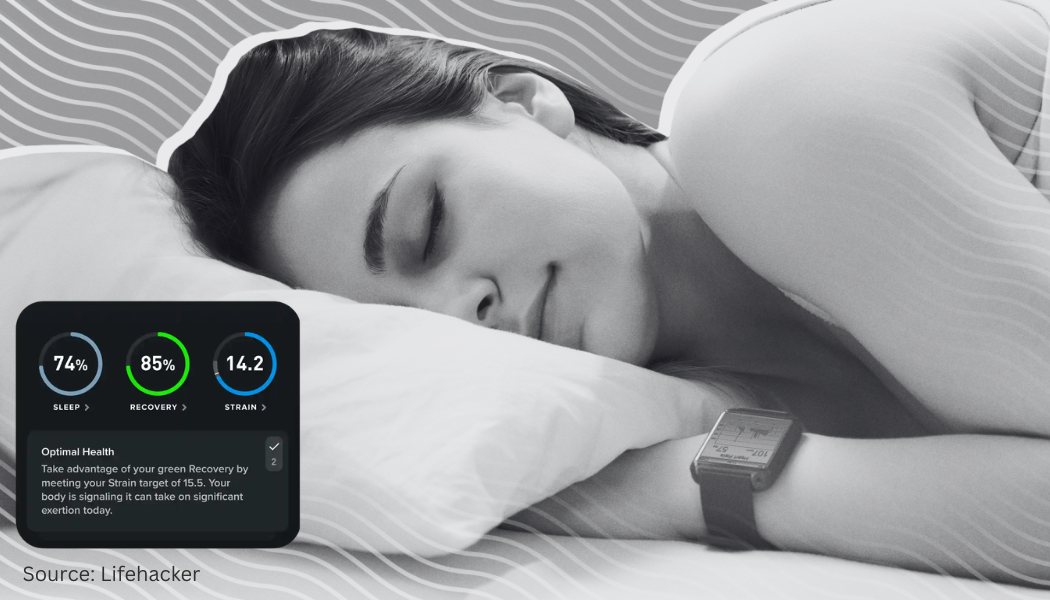
In 2026, a 28-year-old in Mumbai checks her sleep score before she checks her messages. It's 83. She decides this means a walk, not a workout. She cannot afford an energy dip today. She is not unusual.
The Status Flip
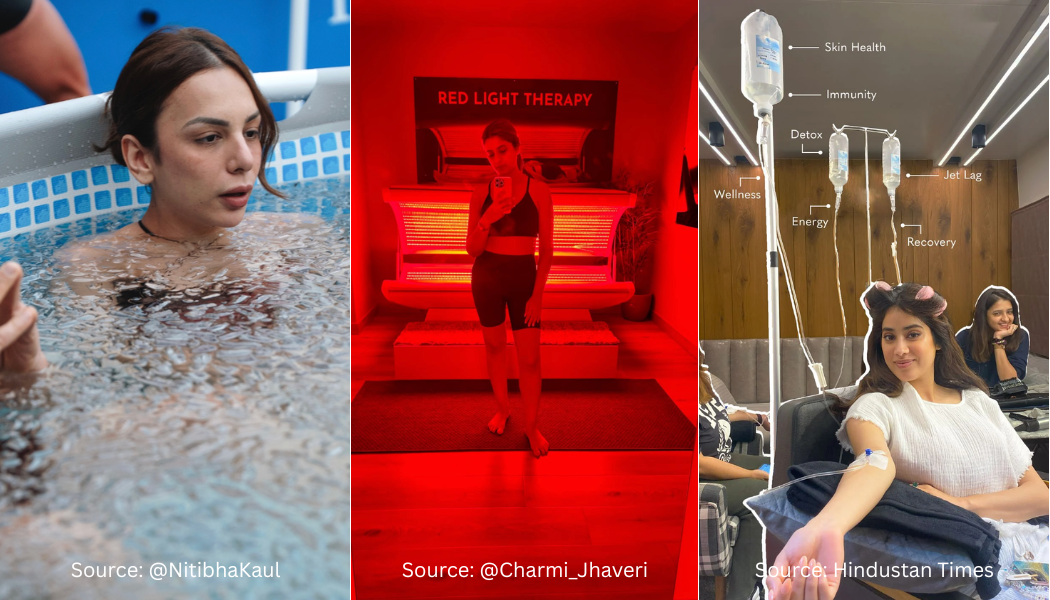
The urban Indian professional has moved from manual work to cognitive and strategic labour - and the nature of status has completely flipped. The person who once wore exhaustion as a badge is now investing in sleep architecture, cold plunge sessions, and IV drip protocols. Recovery has become the new hustle. Resting well is the new marker of someone who takes their life seriously.
India's sleep aid market hit $308 million in 2024, projected to nearly double by 2033. IV clinics charging INR 5,000 to 15,000 per session have opened across Mumbai, Delhi, and Bengaluru. Zomato installed cryotherapy chambers at its Gurgaon HQ. Five years ago, maybe eccentric. Today, perhaps a talent retention strategy.
The Paradox at the Centre
This consumer isn't just buying rest. They're buying control. 56% of Indians have invested in healthtech wearables (NielsenIQ, 2025). The smart ring is the new status object: private, felt rather than displayed.
But running alongside the desire for control is its opposite: a craving for surrender. The same person tracking her HRV daily is booking a silent retreat where her phone gets confiscated for three days. This isn't a contradiction. It is the defining tension of the moment. The category that figures out how to hold both will have found something genuinely new.
What Brands are Missing
The brands winning here speak the language of outcomes, not indulgence. Duroflex positions its adjustable mattress as a performance tool. Knox Reset in Mumbai looks like a Scandinavian medical facility, not a spa. The Sleep Company leads with science, not softness.
The brands getting it wrong treat wellness as a mood board: soft lighting, vague promises of balance, sans-serif fonts. This consumer knows their VO2 max. They will notice.
The aspiration is there. The spend is happening. What the market hasn't delivered yet is a coherent philosophy of rest that matches the intelligence and ambition of this consumer.
That's the white space. To read more about this shift, visit our website
Read the full blog here
At Plum Insights, we've spent years mapping emerging subcultures and what they mean for brand strategy before they hit the mainstream.
What does rest mean for your category? Hit reply - we'd love to know.
Explore more at Plum or drop us a line.
Follow us for more…
…India-first insights into evolving consumer culture. Want to share your thoughts or suggest a topic? Write to us at hello@plum-insights.com
Previously on Plum Peels
Animated Belonging: (February, 2026) - Click to read
What looks like entertainment is starting to function as something deeper. Anime today is giving Gen Z a shared set of symbols, stories, and ways to connect across contexts. In a market like India, where its growth is accelerating, this edition of Plum Peels explores why anime is becoming less about viewing - and more about belonging.
The Rise of the Social Playground: (January, 2026) - Click to read
In a culture that glorifies hustle and hyper-productivity, Gen Z is quietly building softer spaces to simply be, not impress. From casual play to collective wellness, these informal communities are emerging as modern anchors of belonging in fast, fragmented cities. This edition of Plum Peels explores why this shift is less about trends and more about emotional survival.