There was a time when buying gold was a relatively straightforward decision in Indian households. A wedding meant buying jewellery. A festival meant a small purchase. A milestone meant adding another piece to the family collection. And often, the value of that purchase was measured quite literally, in grams.
Today, the conversations around gold are beginning to sound different. A bride still wants the grandeur of buying a gold necklace but without its price or weight. A young girl may choose a delicate bracelet she can wear every day rather than a heavier piece. A family may bring in an old necklace, not to sell it, but to exchange or redesign it into something more wearable.
These may appear to be small adjustments to how people buy jewellery. But together, they point to a larger shift in India's relationship with gold.
Ultimately, Indians are not falling out of love with gold, but finding new ways to stay in love with it and the relationship can be complicated
According to the World Gold Council, India's gold jewellery demand fell 18% in volume during the first nine months of 2026, even as spending on gold jewellery increased 29%(source). Simply put, people were spending more to take home less gold.
Consumers still want to participate in the traditions surrounding gold. Weddings still demand jewellery. Festivals still carry the desire to buy something auspicious. Families still see gold as something worth passing down. BUT here lies the tension. Is it the gold itself, or the way the jewellery looks or investment value still? Or none of these matter and just the meaning attached to owning and wearing it? When the same budget buys considerably fewer grams, people begin to question what they really need from their purchase.
If you can't buy more gold, you can now do more with less gold
Consumers are finding ways to achieve the same visual richness with less metal through jewellery design -
- Electroformed gold jewellery, for instance, uses hollow structures to create larger, more sculptural designs without the weight of equivalent solid pieces.
- Hollow Italian-style chains and lightweight openwork designs offer another alternative, giving consumers the look of a substantial gold ornament with fewer grams.
A young to-be bride from Mumbai states her preference for buying gold jewellery “I want something I can wear every day that’s lightweight. I believe it will be a waste if I can only wear it during a certain occasion.” (source)
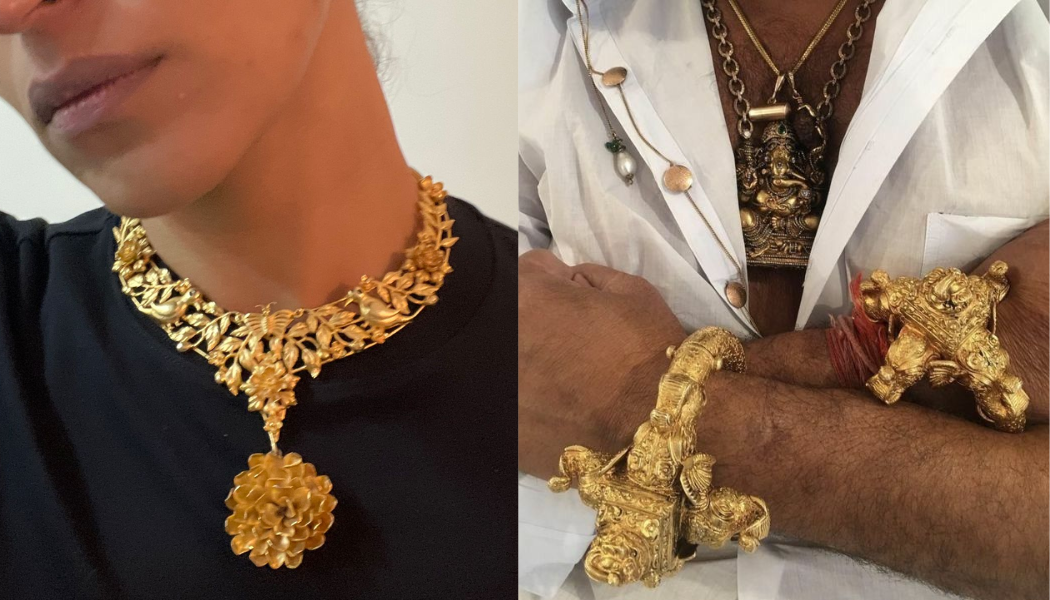
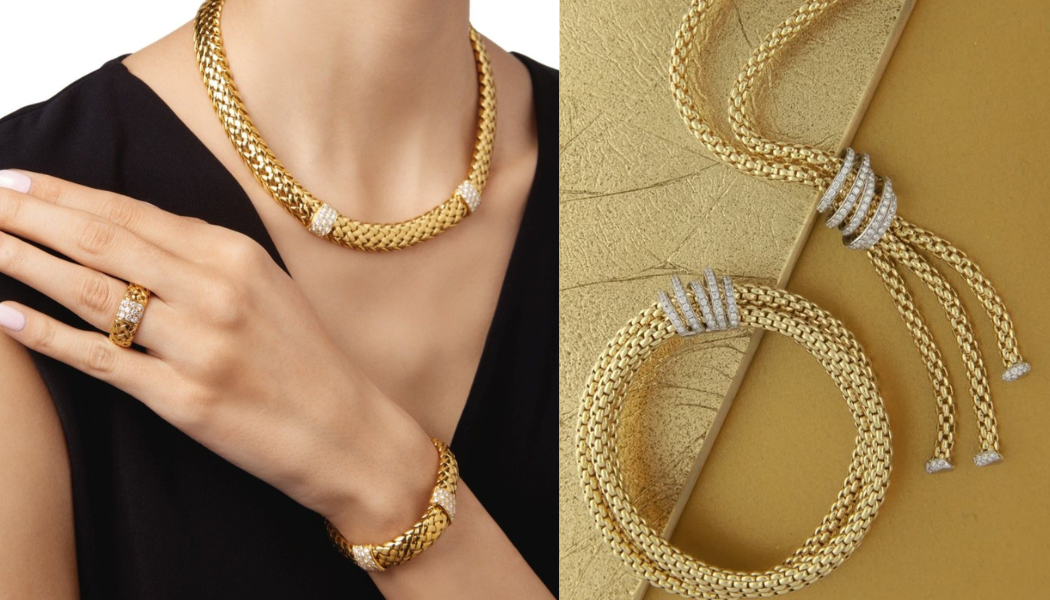
While the metal achieves lightness, ‘character’ is added through what goes into the jewellery itself-
- Coloured gemstones, pearls, enamel and diamond alternatives such as moissanite can bring richness, detail and character to a piece without relying entirely on gold.
- Traditional styles, including Polki and Kundan-inspired jewellery, are also being reimagined through lighter designs and different material combinations.
What was once achieved through the quantity of gold can now be achieved through design, craftsmanship and a clever mix of materials.
And this is perhaps where the more interesting behavioural change lies. People are not compromising on their feelings of beauty, substance, the worthiness and ‘special-ness’ of jewellery, instead they are now simply more open to how those feelings are created i.e through experimentation.
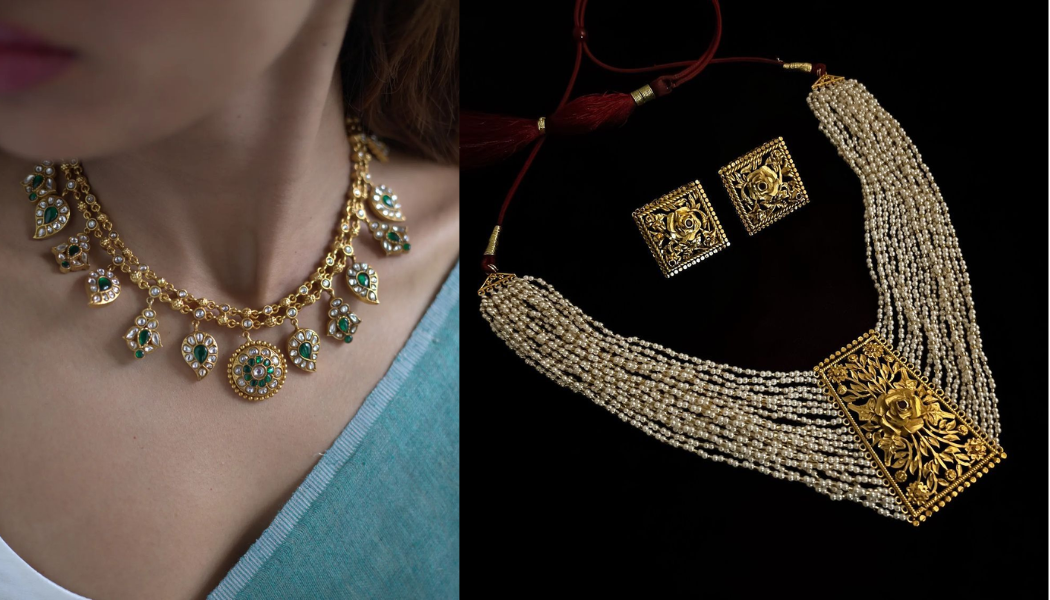
Even the gold that’s already owned is finding new life
Traditionally, much of the gold jewellery would remain carefully stored away in lockers, valued as family wealth. But with rising gold prices, people are beginning to look at these pieces differently, recognising the possibilities they hold for new purchases through old-gold exchange and remaking old jewellery to newer designs.
As of 2026, swapping old gold for new jewellery and remaking into new pieces accounts for roughly 40-60% of retail jewellery transactions in India (source).
Hence now, preservation of legacy takes many forms. A grandmother's necklace can become a grand-daughter's bracelet. A heavy wedding set can be transformed into smaller pieces that work across occasions. Sometimes, keeping it relevant to current times is another way of keeping it alive.
So what value does gold actually bring to our lives?
These changes also bring us to a larger question: does every piece of gold jewellery still need to be an investment? Earlier, a major reason for buying gold was also financial security, but today people have more ways to separate these needs.
Someone may choose lightweight or lower-karat jewellery for everyday wear, while putting their savings towards gold coins, bars or ETFs. A lightweight statement necklace may be purchased for its design and the joy of wearing it, while a home may be purchased for its long-term financial value.
“People my age in their late 20s or early 30s, care less about showing off with gold. Our spending on things that are non-essentials is also shrinking, so my fiance and I would rather keep the money for ourselves for other priorities, we want to purchase a home in the next 3 years, hence gold jewellery is not the centre of our purchase decisions” says a young groom-to-be from Mumbai (source).
This doesn't mean gold jewellery has stopped being valuable. Rather, it suggests that consumers are becoming more deliberate about the purpose of each purchase.
And as these choices expand, so do the questions people ask. How much of the price is actual gold? What am I paying in making charges? Can the piece be exchanged? Will it retain its value? How often will I realistically wear it?
The value of gold can be seen in two different ways. For some, value still lies in accumulation and financial security, while for others, it lies in design, everyday wearability, or the ability to give old jewellery a new life. However, these motivations may not always be mutually exclusive. Often, they can co-exist within the same household, or even within the same person's jewellery collection.
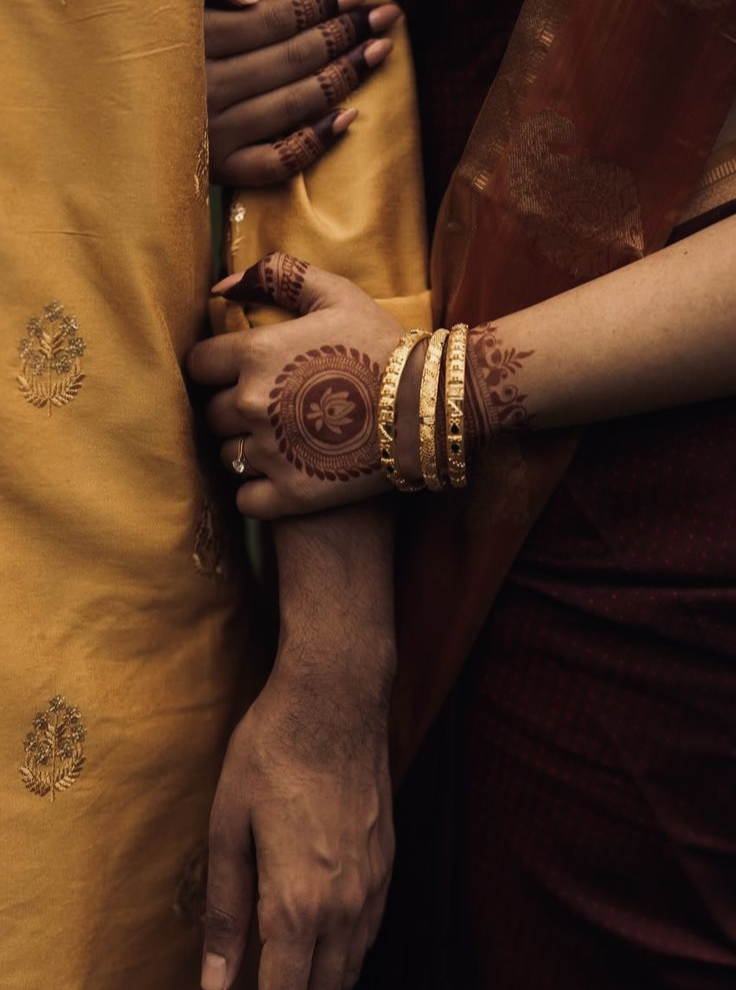
Gold is now more rooted in personal meaning
It would be easy to see lightweight jewellery, alternative materials and old-gold exchange simply as ways consumers are coping with rising prices. And to some extent, they are. Weight, purity and inheritance continue to matter, especially in a country where jewellery is so closely tied to cultural identity.
What's changing is that these meanings are no longer the only ones.
What makes this moment interesting is that these practical adjustments are also changing long-held ideas about what makes gold desirable.
For eg: A large necklace no longer needs to be exceptionally heavy. An inherited piece doesn't always need to remain untouched. Jewellery bought for everyday enjoyment doesn't necessarily have to fulfil the same purpose as gold bought for financial security.
It has now become multifaceted, there’s more room for gold that is lighter, more contemporary, more adaptable and reflective of individual lifestyles.
For brands, this presents an opportunity that goes beyond offering more affordable designs. It calls for understanding the different roles gold plays in consumers' lives and catering to those needs.
Perhaps that is the most interesting paradox of rising gold prices: As gold becomes harder to afford, people are finding more ways to make it their own.
If you want to understand cultural shifts, changing consumer behaviours and how it can impact your brand, connect with Plum Insights at hello@plum-insights.com
Senior Strategist