

For Rahul, a 21-year-old engineering student in Pune, and Sana, a 25-year-old content creator in Delhi, watching a match is no longer just about the score.
Rahul shares memes after every six his favorite batter hits. Sana goes live on Instagram during football league matches to cheer for her icons. Both proudly add “Real Madrid” or “Dhoni fan” hashtags to their bios. For them, the real game is not just played on the field, it’s played online, in feeds, chats, and communities.
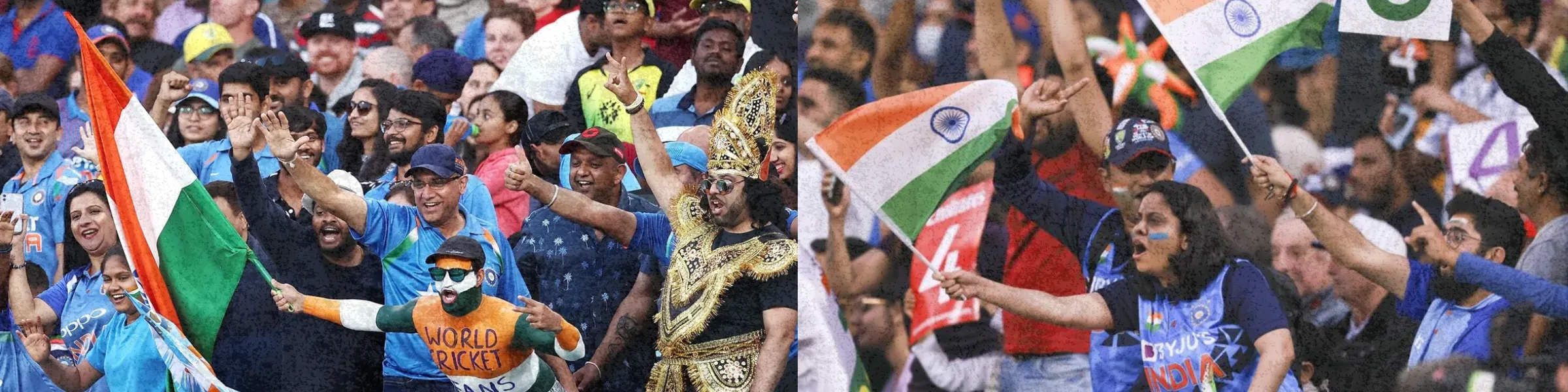
Across India, fandom has shifted from loyalty to performance. To cheer means to show up.
From stadium seats to social feeds
Once, fandom meant sticking with your city team for life. Today, fans fluidly switch loyalties between athletes and sports, celebrating moments more than memberships.
Nearly every fan has a favourite player, but far fewer commit to one team. Belonging is now measured by how creatively you express your passion: the meme you post, the reel you make, the clever comment you drop in a fan thread.
Why it matters: Fandom is no longer consumed; it is performed.
👂🏼 Listen for:
- Proud “RCB/Real Madrid/Dhoni fan’ shoutouts
- “We won against our rival today”
- “That reel was the real highlight”
The new props of fandom
1. From kabaddi leagues to esports, Indian fans are adopting new ways to showcase passion. Jerseys and stadium tickets still matter, but digital-first assets are the new banners.
- Franchise and team apps are becoming digital clubhouses, offering fans exclusive access, merch drops and direct engagement
- Memes spread faster than chants in the stands
- WhatsApp groups and Discord servers double as virtual stadiums
Why it matters: Sports is culture in motion, and brands that enable fan performance gain relevance in the moment.
Example: RCB 12th Man Army is an initiative to bring all the RCB fans, groups and communities together
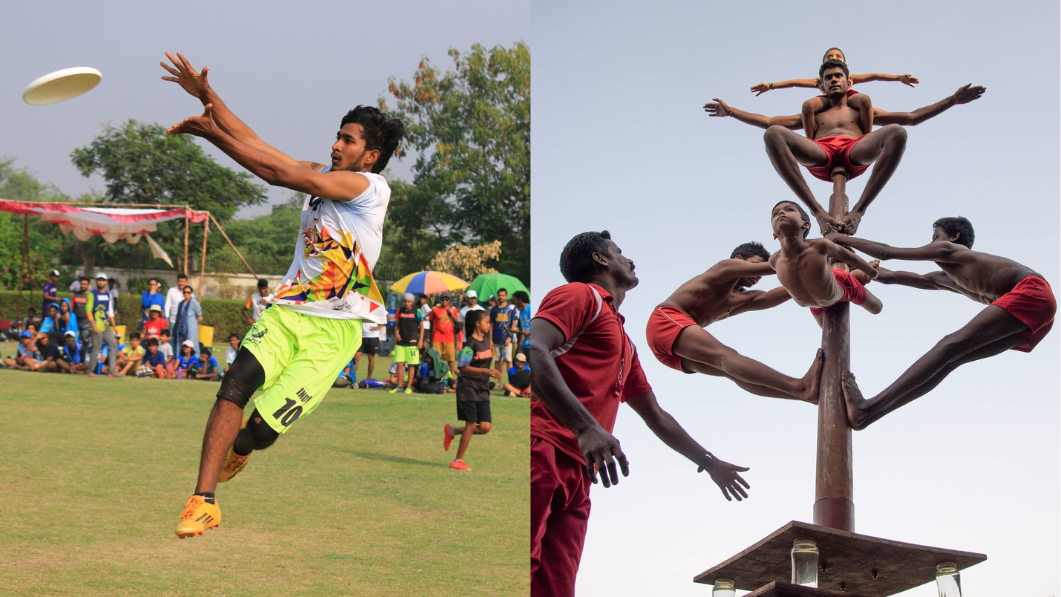
2. Fandom is moving from mass to micro. Fans are now flexing credibility by knowing the quirks of obscure sports (Mallakhamb, Ultimate Frisbee) or tracking the stats of lesser-known players. Surface-level fandom no longer cuts it.
Why it matters: In the fandom economy, credibility comes from depth, not breadth. Fans want platforms that let them signal expertise, not just casual allegiance.
Example: Ultimate Frisbee and Mallakhamb are rising fast in India, blending youth-led sports with cultural revival
Cultural undercurrents
- Social Capital: Cheering is a way of signaling identity - “I belong here.”
- Meme Culture: A witty post can carry more weight than a billboard.
- Hybrid Fandoms: One fan may back a kabaddi team locally, a football star globally, and an esports squad digitally - all at once
Implications for Brands
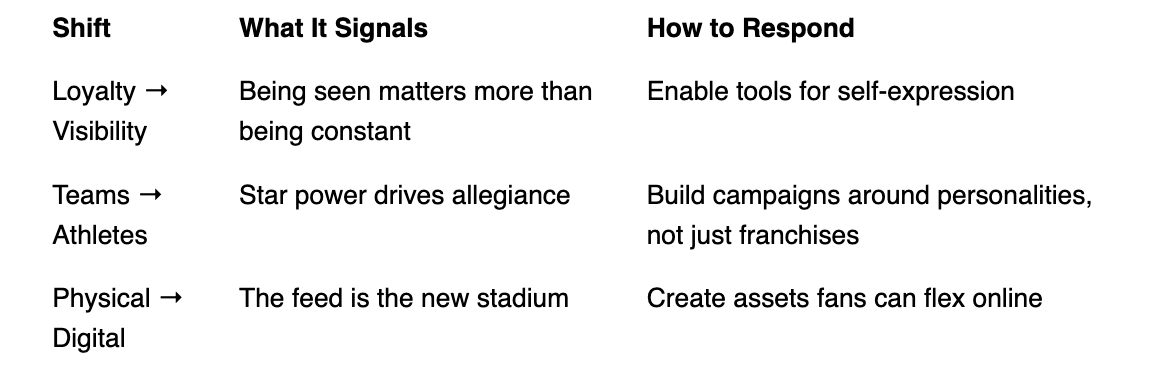
1. Fuel self-expression Give fans the digital props to showcase pride: filters, meme templates, custom stickers.
2. Make sponsorship participatory Move beyond passive logos. Invite fans to co-create - vote on match rituals, remix highlight reels, or name moves.
3. Bridge stadium and screen Think chants that turn into Insta challenges, or live moments that instantly become shareable snippets.
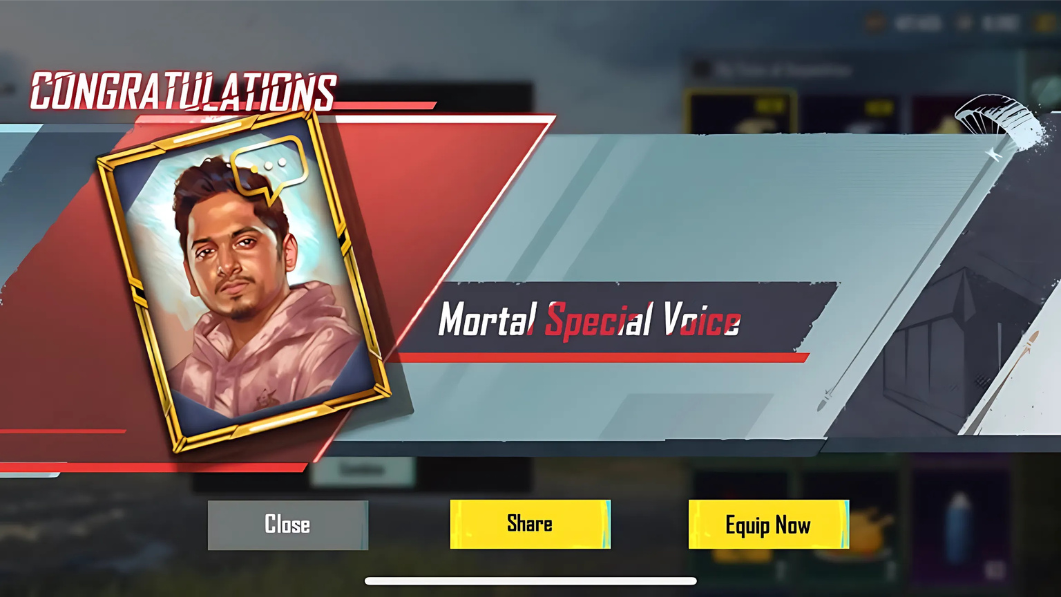
Example: BGMI (Battlegrounds Mobile India) introduced creator voice packs, letting fans literally “speak like their idols”
What comes next
In India today, to be a fan is to be a performer. The ones who stand out are those who can translate emotion into expression - and give fans the stage to shine. Fandom then vs. now ↓

News from Plum
Introducing the Plum Agile Pack
In a business world that’s shifting faster than ever, we’ve launched the Plum Agile Pack - a suite of bite-sized, plug-and-play modules that deliver sharp cultural intelligence in just 1–2 weeks. Designed to be commercially accessible, the Agile Pack gives clarity on campaigns, positioning, and innovation when speed matters most.
It doesn’t replace our deep, bespoke projects - it’s a new addition to our portfolio that gives our clients the flexibility to choose between depth and agility based on the need of the hour
📩 Interested in piloting an Agile Pack module? Reach out to us to learn more.
Masterclass: Thriving in a BANI World
At the recent MRSI masterclass, Sneha Kapoor shared her perspective on how brands can navigate today’s BANI world - brittle, anxious, nonlinear, and incomprehensible. The session explored how cultural thinking can help decode signals, unlock new directions, and keep brand strategy resilient amidst uncertainty. Watch the full session here
Until next time, Team Plum
Loved this edition?
Follow us for more India-first insights into evolving consumer culture! Want to share your thoughts or suggest a topic?
Just hit reply or write to us at hello@plum-insights.com
Previously on Plum Peels
Indian Spending in 2025: Choosing with care (August, 2025) - Click to read
Indian consumers in 2025 are choosing quality over quantity, spending with focus and intention. This edition of the newsletter explores how “less but better” is becoming India’s new financial mantra.
From Borrowed Culture to Co-authored Futures: (July, 2025) - Click to read
How India’s affluent consumers are turning toward neem, composting, and khadi, not for nostalgia, but for sovereignty.