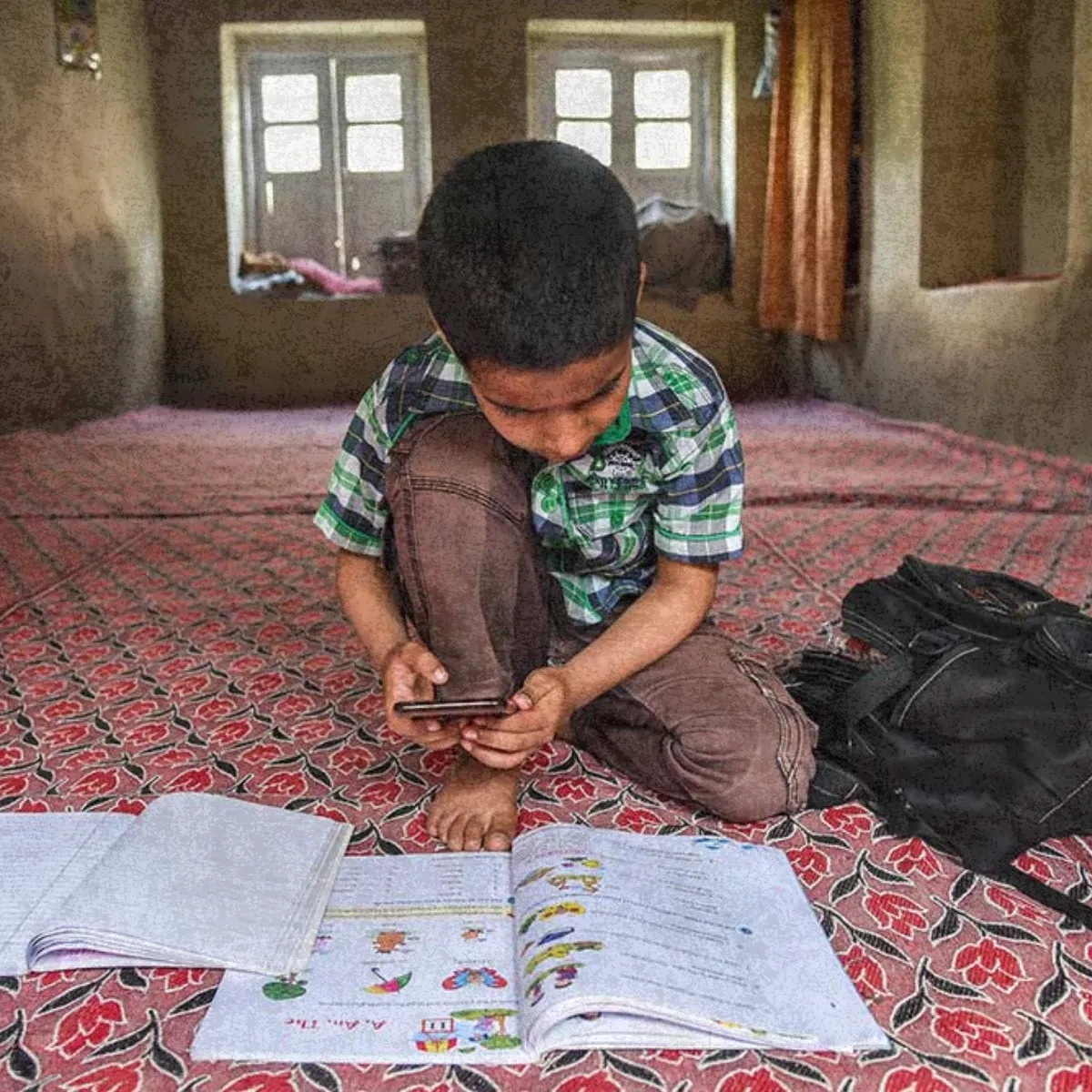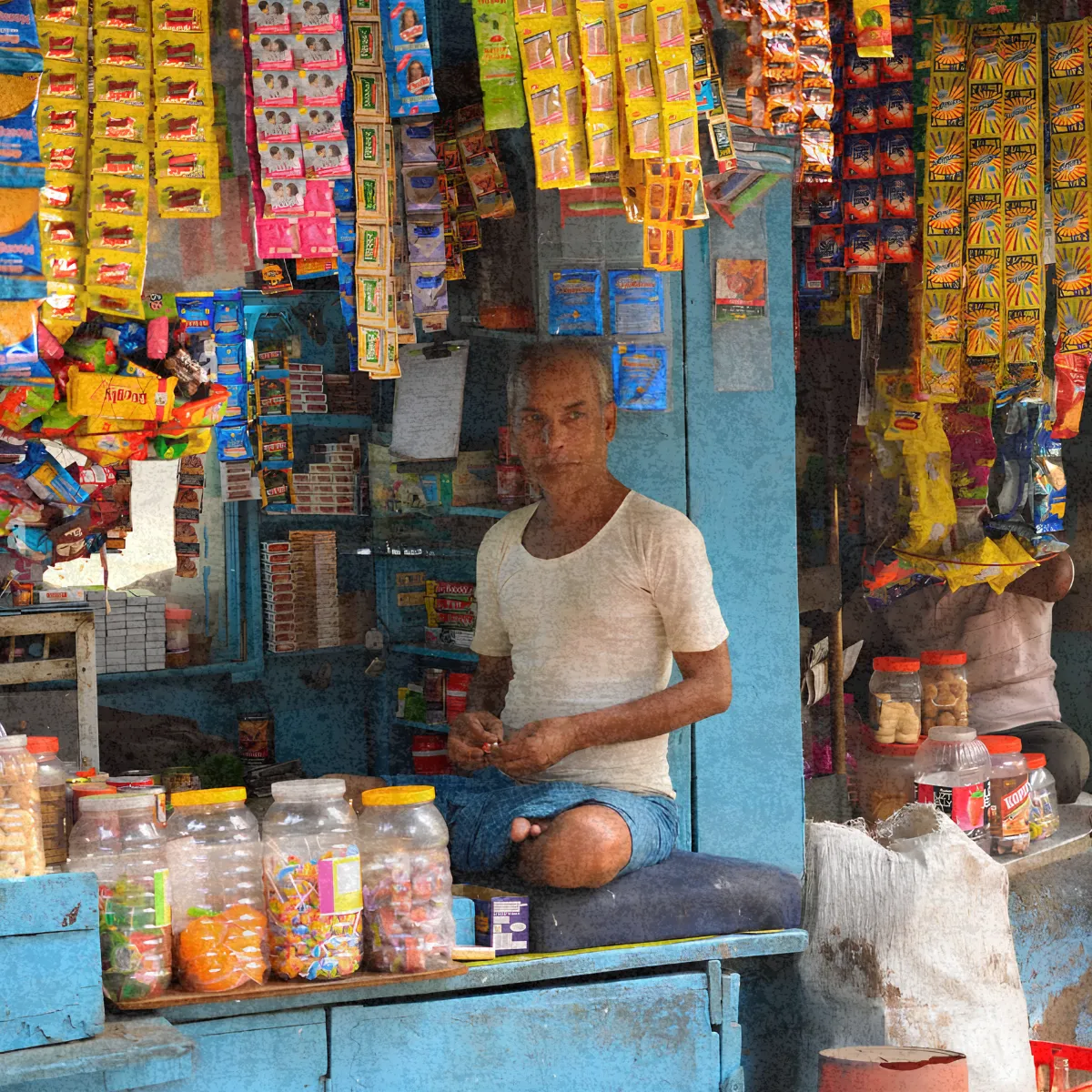


For Ankit, a 30-year-old creative consultant in Bangalore, and Aishwarya, a 27-year-old graphic designer in Mumbai, self-expression is no longer just about what they do, it’s about how they feel doing it.
Where Ankit once said he was “burnt out,” now he says he’s “protecting his peace.” Aishwarya used to call herself “too busy,” now she says she’s in her “rest era.” Both joke about going “goblin mode” on tough days, and both mean it when they say, “I just need to feel like myself again.”
These aren’t just social media phrases, they’re cultural signals.
Across India, younger consumers are cultivating a new emotional fluency. Whether it’s creators posting “slow living” reels, women soft-launching their hobbies on Instagram, or men naming their playlists “healing hours”, a quieter shift is underway.
This is more than language, it’s identity, reimagined.
Language Is Shifting, And So Is The Self
In fast-paced urban India where self-worth often comes from how productive, polished, or “on” you are, a new vocabulary is breaking through.
It’s gentle, self-aware, and emotionally fluent. It mixes sincerity with memes, ambition with softness, and humour with honesty.
For brands, these quiet shifts are invaluable. They signal not just how consumers want to be spoken to, but how they want to be seen.
The Language of Emotion in Modern India
1. From Hustle to Healing: Rewriting Success
Across India, young professionals are redefining success, not as hustle or high performance, but as emotional alignment. From Delhi’s therapy-positive creators to women in Pune documenting solo café dates and mindful journaling, the language of self-care is evolving.
Skincare isn’t just skincare, it’s “me time.” Sunday isn’t for side hustles, it’s “reset day.”
Why it matters: People are shifting from “doing more” to “feeling better.” It’s a gentle rebellion against burnout culture - one playlist, face mist, or offline hour at a time.
Listen for: “Soft era” “Just vibing” “Protecting my peace” “In my comfort zone”
2. Delulu is the Solulu - For Everyone
The phrase may be tongue-in-cheek, but its impact is real. Whether it's a woman visualizing a dreamy career switch or a guy manifesting a peaceful week ahead, “delulu is the solulu” has become a coping mechanism, and a form of optimism.
On platforms like Reddit India, Instagram, and even WhatsApp groups, “main character energy” means owning your narrative, however unlikely it may seem.
Why it matters: Delusion, playful, hopeful, harmless - is how many young Indians are navigating stress, uncertainty, and pressure. It’s permission to believe, to escape, to dream.
What to watch: “Main character” isn’t ego, it’s self-claiming “Goblin mode” isn’t mess, it’s intentional rest
3. Mood Over Metrics
From boutique beauty brands in Jaipur to wellness startups in Bangalore, products are now being sold by feeling, not function.
A serum becomes “five seconds of calm.” A planner is “a soft start to your day.” Even food delivery services are tapping into this with filters like “Comfort food” and “Mood lifters.”
Why it matters: People, especially women, are choosing what feels right, not just what works. Emotional resonance is now a core buying trigger.
What they’re saying: “It just felt like me” “This gave peaceful energy” “The vibe was right”
4. Digital Feed as Emotional Spaces
From Kolkata to Coimbatore, Gen-Zs and millennials are curating their online spaces with intention.
Instead of hustle highlights, there’s a growing preference for lo-fi reels, mental health check-ins, DIY therapy content, and unfiltered “day-in-my-life” posts.
This isn’t about optics, it’s about emotional safety.
Why it matters: Every post, caption, and emoji is a micro-signal. Brands aren’t just visual anymore, they’re felt.
Language to use: “This space is yours” “No pressure here” “Come as you are”
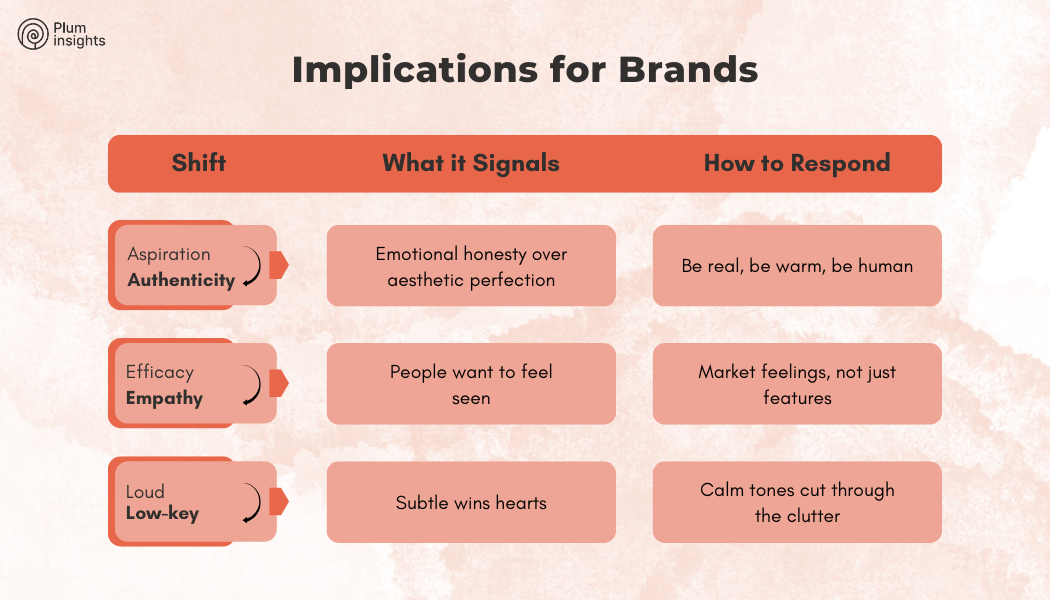
1. Speak Human, Not Hype
Mirror the language of the people - whether it’s a woman sharing her “quiet joy” or a man claiming “rest as resistance.” Example: Replace “Optimized for performance” with “Designed for your pace.”
2. Let Emotion Drive Storytelling
Start with a mood. Every product or campaign should answer: How does this make someone feel? Example: A homegrown skincare brand reframed its mist as “five seconds of softness” and saw user engagement triple.
3. Redesign the Ritual
Frame your offering as a pause, not a task. Example: An indie tea label now names blends after moods - “Clarity,” “Pause,” “Ease”, and not ingredients.
4. Create Language That Feels Safe
Instead of: “Upgrade your life” Try: “Be kinder to your day” Instead of: “Crush your goals” Try: “Flow at your own pace”
What Comes Next
This isn’t about trendy phrases, it’s about emotional fluency. The way young Indians talk today is how they’re rebuilding identity, agency, and self-worth. The brands that will stand out are the ones that don’t just talk back, but listen with intention.
Loved this edition?
Follow us for more India-first insights into evolving consumer culture! Want to share your thoughts or suggest a topic?
Just hit reply or write to us at hello@plum-insights.com