

Every day, India generates around 62 million tonnes of waste, a number projected to reach 165 million tonnes by 2030. Yet, nearly 50% of this waste remains untreated, clogging landfills, polluting cities, and threatening public health.
Waste management isn’t just an environmental issue—it’s a deeply personal one, tied to our habits, culture, and everyday conveniences.
At Plum, we recently ran a study with our client, a social campaigns agency, Purpose, to understand how people perceive waste.
What we uncovered was revealing: while awareness is growing, habit change is still a challenge. People want to do better but struggle unless solutions feel effortless and rewarding.
In this newsletter, we’ll share key insights on what’s shaping waste management and sustainable consumption today. We hope these ideas spark new ways to rethink waste, reframe sustainability, and build a future where sustainability is second nature.
Waste is Personal: A Matter of Health, Hygiene & Culture
Insight:
For many consumers, waste management isn’t just an environmental concern—it’s about health, hygiene, and cultural values. Improper waste disposal is seen as a direct threat to well-being, with many associating cleanliness with security, efficiency, and even spiritual purity. However, despite this awareness, the action gap remains large. Many residents, especially in urban areas, feel demotivated when they see waste mismanaged by civic authorities or when segregation efforts are undone by local collection systems.
What people are saying: "The doctor recommended segregating waste for my health. I had a cold for two days post-Diwali due to pollution, and I have acne-prone skin too." — Female, 27
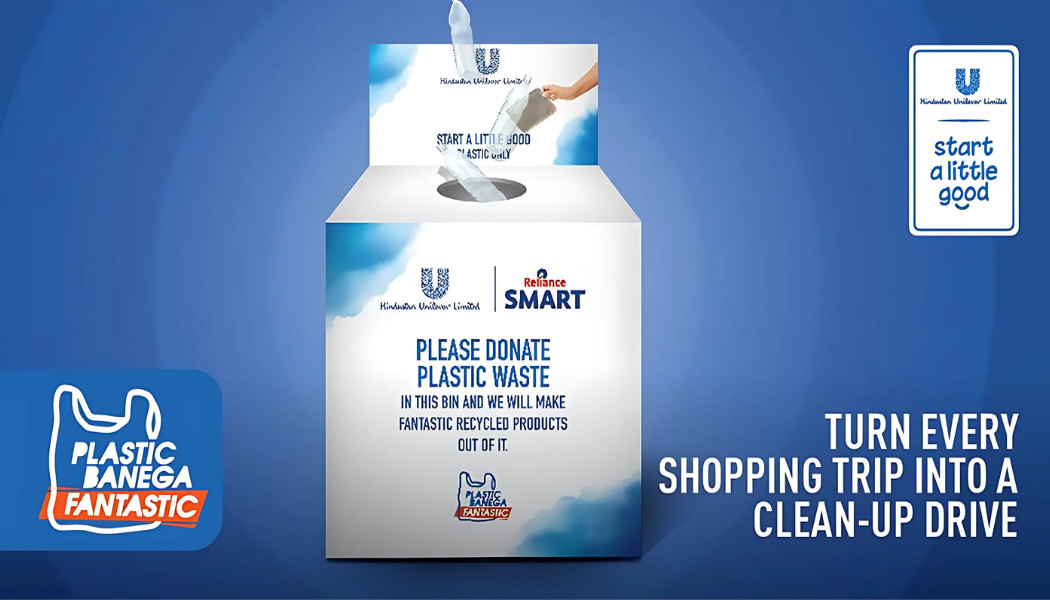
Brand Example: Hindustan Unilever’s ‘Plastic Banega Fantastic’
HUL shifted the perception of plastic waste from being a problem to being a transformative resource. By showcasing how discarded plastic was upcycled into benches, playgrounds, and infrastructure, they reframed waste as something useful and aspirational rather than just a hygiene concern.
HMW create waste disposal solutions that align with cultural and emotional values, making them feel more personal and rewarding?
HMW encourage collective action in housing societies and neighbourhoods, turning waste segregation into a shared and celebrated community effort?
Brand Opportunity:
Brands can gamify waste segregation by linking it to health and community well-being, providing visible proof of impact, such as cleaner neighborhood spaces or health incentives for responsible disposal.
Convenience vs. Waste: The E-Commerce & Food Delivery Dilemma
Insight:
There’s been a lot of conversation about how online shopping and food delivery have led to an explosion of packaging waste. While consumers recognize the environmental harm of single-use plastics, convenience and affordability override sustainability concerns. People feel trapped in a cycle where waste is unavoidable, and few actively seek out brands with better packaging alternatives.
What people are saying: "When I was a kid, the local halwai would ask us to bring our own container for paneer or dahi. Now, everything comes in plastic, and I have no option."— Female, 45
Brand Example: Amazon India’s ‘Plastic-Free Packaging’ Initiative
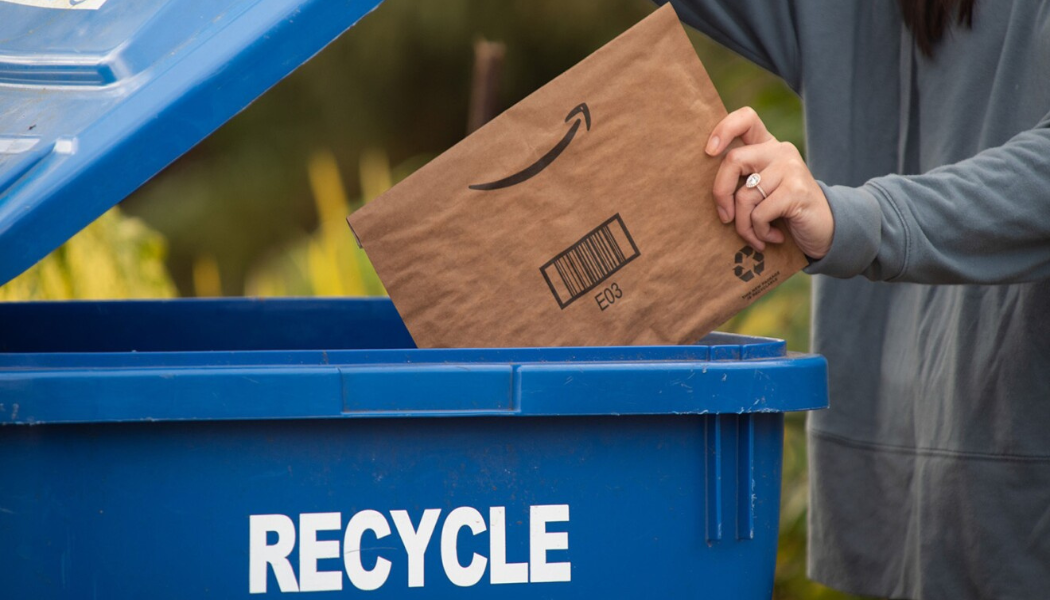
Amazon India eliminated single-use plastic in its fulfillment centers, replacing them with paper-based mailers and bio-based alternatives. This change ensured sustainability didn’t come at the cost of convenience, setting a new industry standard.
HMW make sustainable packaging feel as effortless and convenient as single-use plastic, reducing consumer hesitation? HMW incentivize responsible disposal of e-commerce and food packaging waste through engaging rewards or gamification?
Brand Opportunity:
The future of packaging lies in closed-loop systems—imagine brands offering returnable, reusable mailers for online deliveries, where customers can drop off packaging at designated points for reuse.
The ‘Changemaker Effect’: Waste Habits Spread Socially
Insight:
People are more likely to adopt sustainable habits when they see others doing it. House-helps, who work across multiple households, often act as accidental influencers, transferring best practices from one home to another. Meanwhile, community-driven waste initiatives thrive when led by visible role models in housing societies.
What people are saying: "I noticed that one of the houses I work at doesn’t segregate. An old couple lived there, so I told them that it is practiced by others. The lady said if I bring the bags and extra bin, she will also do it." — House help
Brand Example: Swiggy’s ‘Swiggy Green’ for Restaurants
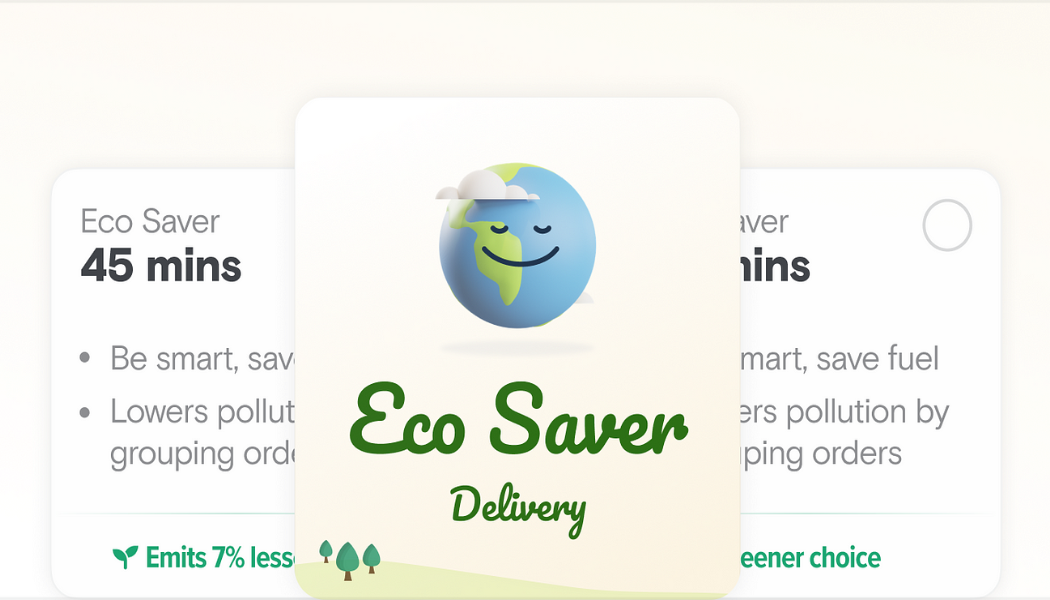
Swiggy introduced opt-in sustainable packaging for food delivery, encouraging restaurants to switch to biodegradable alternatives. By visibly labeling eco-friendly restaurants, they made sustainability a point of differentiation and a badge of honor.
HMW empower everyday influencers—househelps, delivery personnel, and local community leaders—to drive sustainable behavior change? HMW turn sustainable actions into social currency, where eco-friendly choices are visible, celebrated, and encouraged within communities?
Brand Opportunity: Brands can leverage delivery personnel and househelps as sustainability ambassadors, offering incentives for educating consumers about waste reduction and segregation.
The future of sustainability isn’t about demanding sacrifice—it’s about designing solutions that feel effortless, rewarding, and socially contagious. Brands that embed sustainability into daily convenience, cultural values, and social influence will lead the charge toward a cleaner future.
Which of these ideas could inspire your next move? Let’s talk.
Stay Connected with Us!
Follow us social media to stay updated on the latest trends in market research and insights!
Have any queries or ideas? We’d love to hear from you! Reply to this email or contact us at hello@plum-insights.com