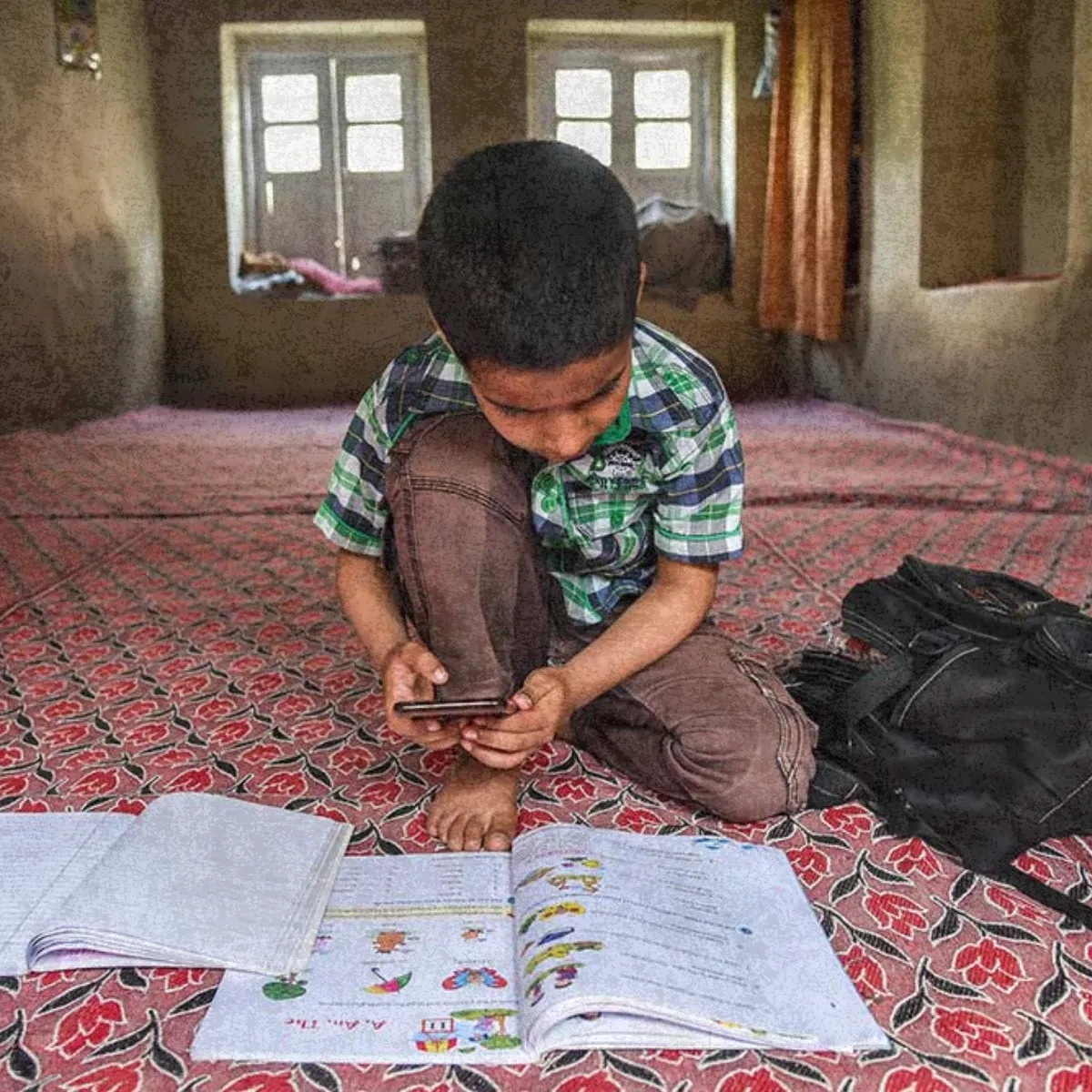


For years, Meera’s mornings were a blur of activity - getting her two kids ready for school, preparing breakfast, ensuring her husband had everything he needed before rushing out the door. This 35-year-old mom from Bangalore had rare quiet moments for herself. This is when she would quickly tie her hair back, dab on compact powder, and apply a swipe of kajal—her signature look, perfected over the years.
Beauty, for her, had always been about looking presentable, about maintaining a polished appearance for family gatherings, school meetings, or social occasions. She followed beauty routines she had seen growing up - homemade face packs on weekends, hair oiling when time allowed, but always as a means to maintain, not indulge.
Then came the pandemic.
With no school drop-offs, no social events, and no visitors at home, Meera found herself looking in the mirror differently. The usual need to get ready every morning disappeared, and for the first time, she saw herself without the rushed grooming rituals - tired eyes, stress lines that had crept up unnoticed, and skin that felt dull not from neglect, but from exhaustion.
At first, she felt uncomfortable. She considered going back to her routine, forcing herself to wake up early just to keep up appearances. But then, something shifted. Instead of covering up, she started caring for herself in ways she never had before.
She replaced her quick skincare routine with something gentler - not just applying products, but massaging her face, enjoying the process instead of rushing through it. She started oiling her hair again, not just before washing it, but as an evening ritual to unwind. She swapped her usual powder for a simple moisturizer and let her skin breathe.
More importantly, she stopped seeing beauty as something that had to be maintained for others—and started experiencing it as a form of self-care for herself.
Five Years Later: The Lasting Shift in beauty and self-care
Now, five years after the pandemic, the beauty industry - and the way consumers like Meera engage with it - has permanently changed.
What started as an adjustment during lockdown has become a lasting transformation. Beauty is no longer seen as just an enhancement but as an essential part of emotional well-being and self-connection.
Consumers like Meera are no longer asking, "How does this product transform my skin?" They are asking, "How does this product fit into my life?"
Self-care has shifted from indulgence to necessity, with beauty now serving as an emotional anchor in uncertain times. Consumers are moving away from corrective beauty and toward functional, feel-good products that simplify their lives and nurture their well-being.
1. The Shift: From Looks to Presence
Skincare isn’t just about looking good anymore - it’s about how it makes you feel.
“I don’t do skincare to fix my face. I do it because it’s my ‘me-time.’ That five minutes in front of the mirror is when I feel most at peace.” – F, 27, Mumbai
Why it matters:
- The rise of "mindful beauty"-rituals that help consumers de-stress, from facial massage to scalp oiling.
- More brands are shifting from "correcting flaws" to "nourishing the soul" in their messaging.
- For example: D'You positions its Hustle serum not just as a skincare product but as a "skin resilience booster," emphasizing protection from daily stressors.
2. Science-Backed, Not Just Superficial
Consumers are more informed than ever—they no longer just want "glow" or "hydration." They want to know:
- Will this reduce stress hormones in my skin?
- Is this boosting my serotonin levels?
- Can it help with sleep, digestion, or immunity?
According to Statista, 60% of skincare buyers in India actively research the mood-boosting and stress-relieving properties of ingredients before making a purchase.
Emerging Trends:
- Ingestible Beauty: Collagen-boosting drinks, probiotic skincare, and Ayurvedic adaptogens like ashwagandha.
- Neuro cosmetics: Skincare formulated to trigger relaxation through scent and texture, like lavender-infused sleep masks.
“I switched to stress-relief skincare because I realized my breakouts were caused by anxiety. It’s not just about skin- it’s about my whole body.” – M, 31, Bangalore
For example: 82°E incorporates calming ingredients like saffron and sandalwood into its night serums, promoting holistic well-being.
3. The Digital Detox Effect
Social media built today’s beauty industry- but it’s also causing its biggest shift.
After years of high-maintenance routines, hyper-filtered selfies, and unrealistic beauty standards, consumers are stepping back.
- 45% of Indian beauty shoppers now prefer minimalist, multi-purpose skincare that reduces routine complexity.
- Gen Z is ditching the “Instagram face” aesthetic for a more authentic, undone look.
“I don’t want to look like an airbrushed version of myself. I want products that enhance, not erase.” – F, 25, Delhi
For example: Ilana Organics markets its "skinimalist" serums with the tagline "One bottle, one step, endless benefits," tapping into the less-is-more movement.
How Brands Can Evolve in the Beauty-Wellness Crossover
1. Sell the Ritual, Not Just the Result
Move from “fixing flaws” to “enhancing well-being.”
Example: Instead of saying "reduces dark circles," frame it as "a calming night ritual to unwind and wake up refreshed."
2. Infuse Wellness into Product Innovation
Beauty brands must think like health & wellness brands. Example: Brands like Moon Juice are combining skincare with supplements, gut health boosters, and holistic rituals.
3. Create ‘Moments of Pause’ for Consumers
Beauty should be an experience, not a task. Example: Fable & Mane’s hair oiling ritual is not just about nourishment—it’s an act of self-love inspired by Indian traditions.
4. Elevate Digital Storytelling with Emotional Depth
Consumers no longer connect with before-and-after images. Instead, they seek human-first storytelling that aligns with their evolving self-care needs. For example: The Body Shop’s “Self Love Uprising” campaign shifted focus from beauty standards to empowerment, making it deeply relatable to Gen Z.
The future of beauty isn’t about correction—it’s about connection. Brands that embrace this shift will not only sell products but create rituals, emotions, and meaning.