

In 2025, a pirate flag from a Japanese cartoon helped topple two governments. If you're a brand that hasn't started paying attention to anime yet, that's where we'd suggest you begin.
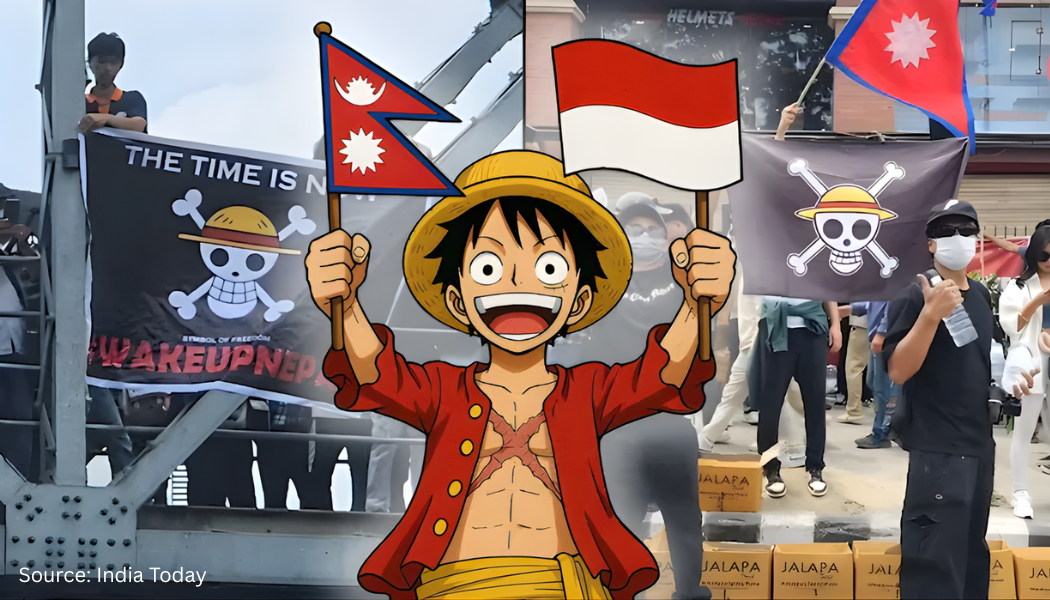
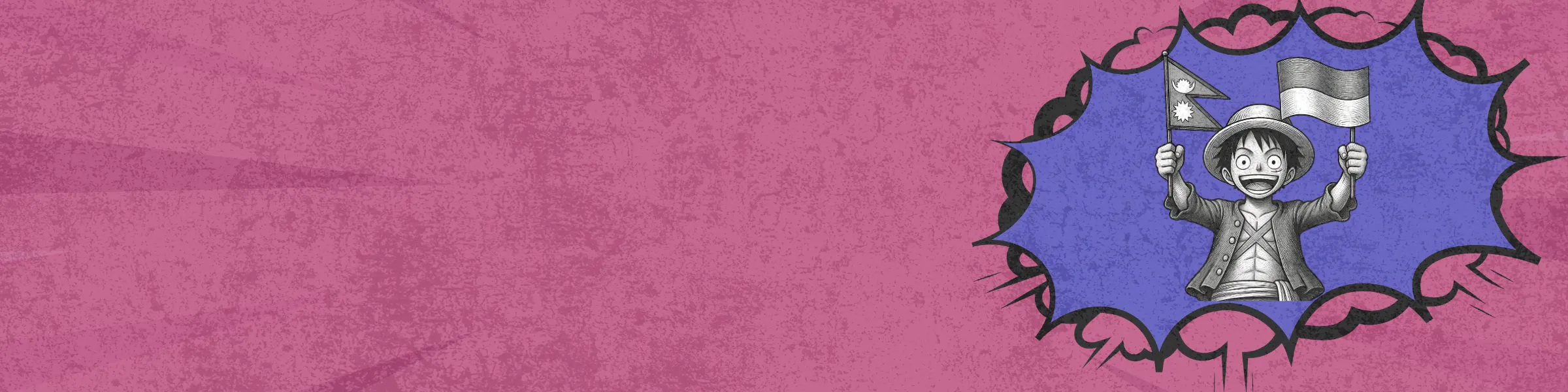
In Nepal, protestors flew the Jolly Roger from One Piece from the gates of the burning Singha Durbar palace as they ousted the prime minister. In Madagascar, the same flag marked a movement that ended with the president fleeing the country. Indonesia's government banned it outright, calling its use equivalent to treason. (Source: CNN, September 2025)
One of the protest organisers explained the choice simply: "We wanted the movement to feel like a Gen Z movement, so the symbols used were linked with things Gen Z could relate to. (Source: CNN, September 2025)
This isn't a story about cartoons. It's a story about a generation that has found a shared language, and what happens when a brand, a government, or a cultural institution fails to speak it.
Why now, why India?
Anime isn't new here. Pokemon, Dragon Ball Z, Doraemon, Shinchan - an entire generation grew up with these. But what's happening now is categorically different.
India is the second-largest anime market in the world, with 118 million active viewers (Source: Economic Times). When Demon Slayer released in September 2025, it became the highest-grossing non-Hollywood foreign film ever in India within five days (Source: Livemint). Shows sold out at 5am. There were standing ovations.
The market is still early. Over 500 million Indians use OTT platforms, and only a fraction currently engage with anime. The growth hasn't even properly started.
But the numbers are almost beside the point. What matters more is this:
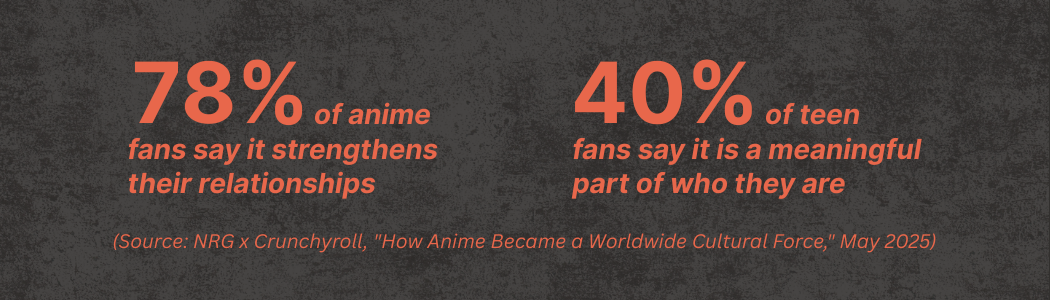
These aren't viewing statistics. They're identity markers. And identity is where brand loyalty is built or broken.
What’s actually going on
Gen Z in India is navigating something genuinely hard. Joint families are fracturing. Young people are moving to cities where nobody knows them. The structures that once provided belonging, the neighbourhood, the extended family, the shared ritual, have dissolved.
Into that gap, anime walked in.
Shows like Attack on Titan, One Piece, and Jujutsu Kaisen unfold over hundreds of episodes. They feature characters who carry grief without resolution, fight systems that don't care about them, and choose loyalty over self-preservation. For young viewers, as one commentator observed, anime "becomes a mirror of their own lives, while also offering an escape into fantasy worlds." (Source: Onmanorama)
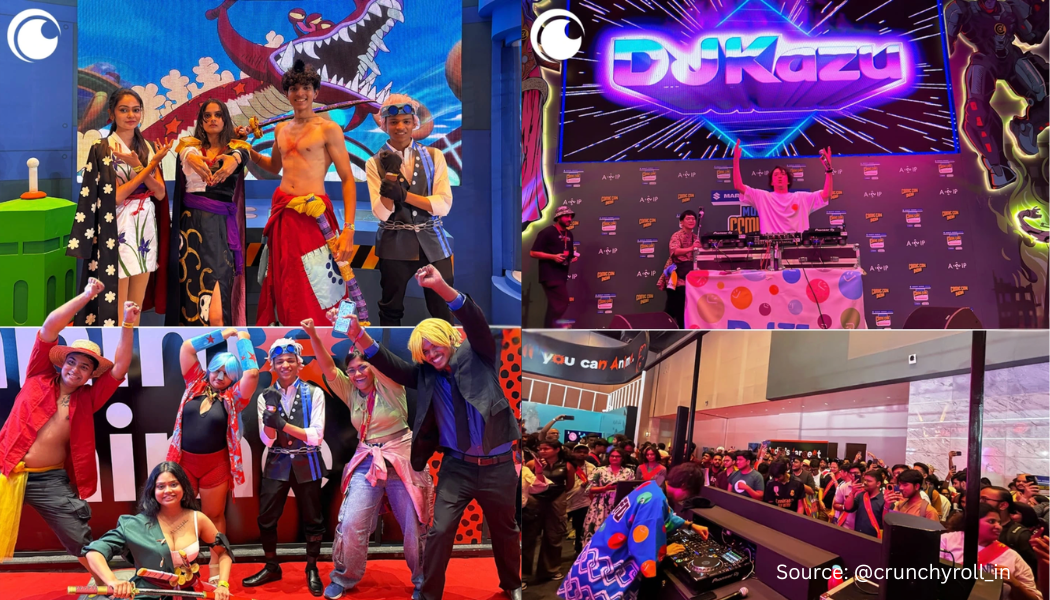
And crucially, it comes with a community attached. Fan art, cosplay, conventions, Discord servers, Reddit threads, TikTok edits. At the last Bengaluru Comic Con, over 5,000 cosplayers showed up, many in anime costumes. (Source: Shefali Johnson, CEO, Comic Con India) Entry is frictionless. You don't need a referral, a shared history, or the right school tie. You showed up. You're in.
For a generation that is acutely lonely in cities built for speed rather than friendship, that kind of unconditional belonging is not a small thing.
What brands are getting right (and wrong)
The brands winning here share one quality: they participate rather than appropriate.
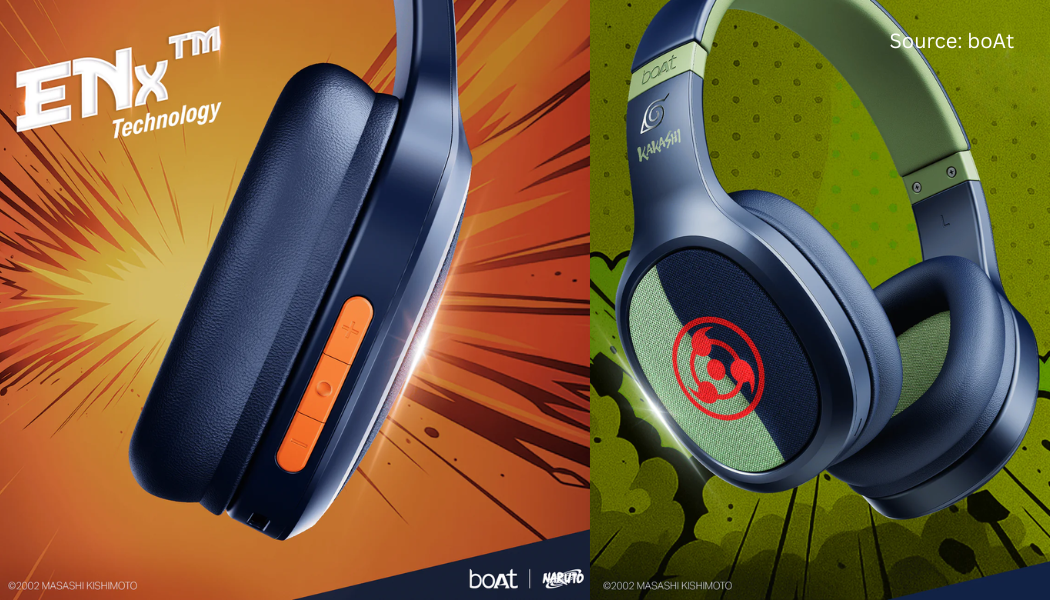
Crunchyroll partnered with Tiger Shroff and Rashmika Mandanna, meeting existing fans and new audiences alike inside Bollywood's cultural conversation rather than asking them to travel to anime's. Boat's Naruto-themed wearables with Blinkit sold out almost immediately, not because of the product, but because the collaboration felt like it understood what the fandom actually meant to people. The Souled Store has built entire collections around iconic characters, treating them as expressions of identity rather than licensing revenue. Co-Founder Harsh Lal puts it plainly: the goal is making collaborations "feel natural rather than forced."
The brands getting it wrong treat anime as an aesthetic to borrow for a campaign cycle. Anime fans notice. They've spent hundreds of hours with stories that reward depth and punish inauthenticity. They bring that exact lens to brands.
The window is open. Not forever
The question isn't whether anime will be a defining cultural force for India's next decade of consumers. It already is.
The question is whether your brand will be part of that story while there's still room to build something genuine, or whether you'll be reverse-engineering authenticity after the moment has passed.
K-pop had a window. Streetwear had a window. Gaming had a window. The brands that moved early built relationships that still pay off. The ones that waited spent twice as much to feel like they belonged.
Where does your brand sit in this culture? That's the question worth exploring. Curious about Gen Z?
At Plum Insights, we've spent years mapping emerging subcultures and what they mean for brand strategy before they hit the mainstream. If you're trying to figure out where anime fits for your specific audience, we'd love to think through it with you.
If you're looking to go beyond the surface and understand what truly moves this generation, get in touch. We’d love to help you peel the layers.
Explore more at Plum or drop us a line.
Follow us for more…
…India-first insights into evolving consumer culture. Want to share your thoughts or suggest a topic?
Just hit reply or write to us at hello@plum-insights.com
Previously on Plum Peels
The Rise of the Social Playground: (January, 2026) - Click to read
In a culture that glorifies hustle and hyper-productivity, Gen Z is quietly building softer spaces to simply be, not impress. From casual play to collective wellness, these informal communities are emerging as modern anchors of belonging in fast, fragmented cities. This edition of Plum Peels explores why this shift is less about trends and more about emotional survival.
Year-end Edition: Notes from a disruptive year: (December, 2025) - Click to read
A reflective year-end edition on navigating disruption with intention - capturing how a challenging year shaped Plum’s philosophy of scaling with depth, sharpened cultural insight, and reaffirmed a commitment to meaningful, human-centred work over speed or noise.