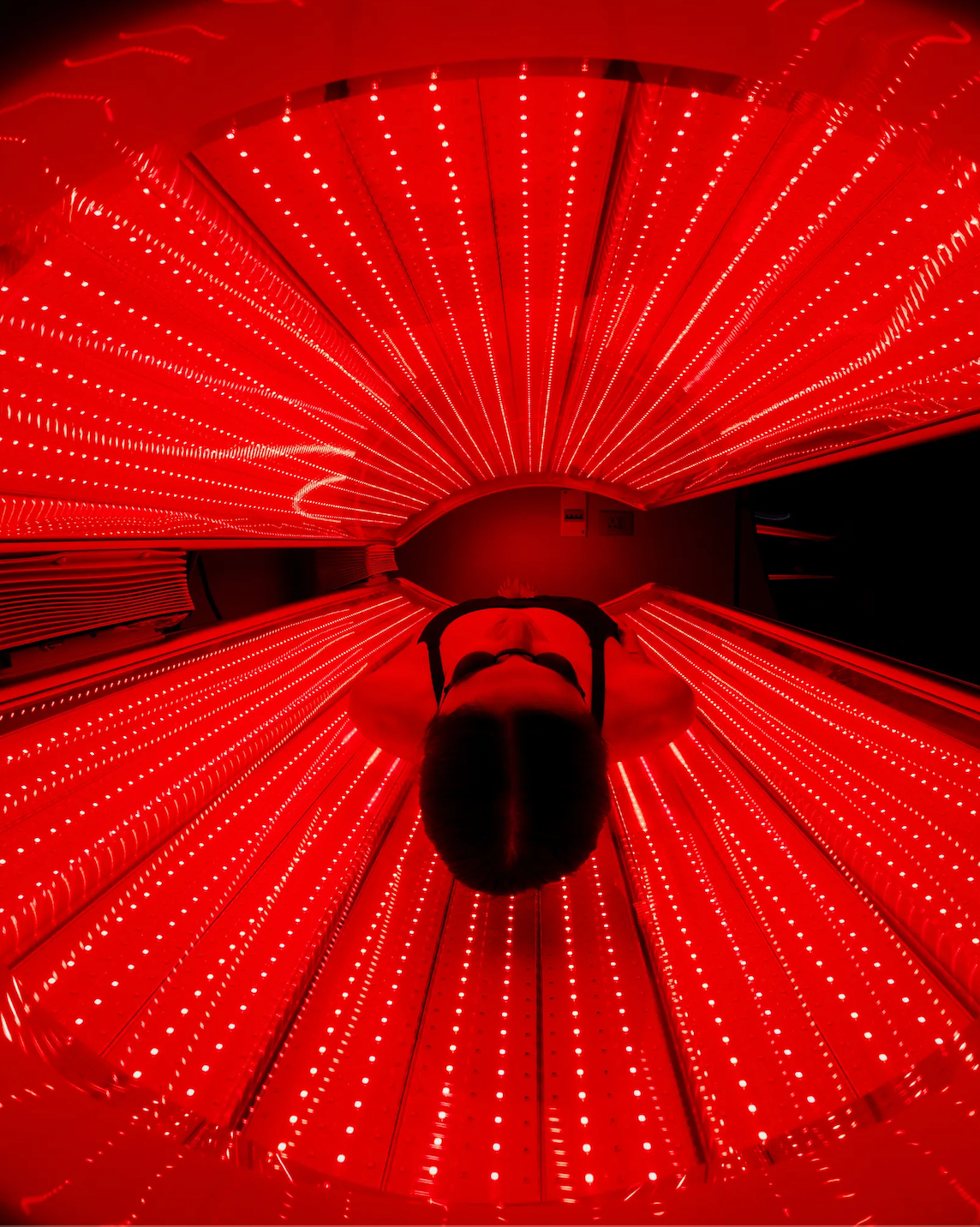


The rise of IV drips, silent retreats, sleep coaching and what it tells us about the new Indian consumer.
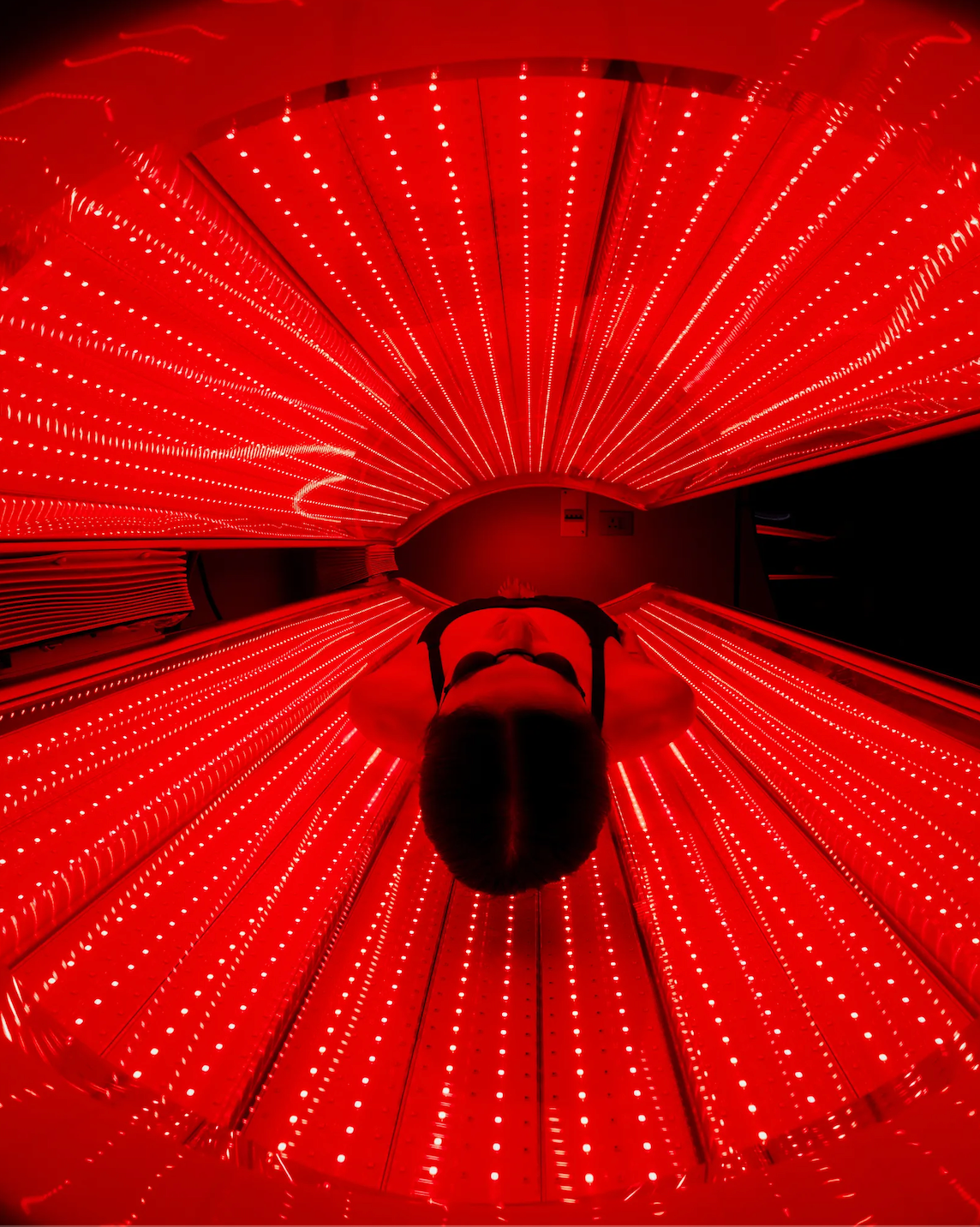
"All work and no play makes Jack a dull boy" — whether you know this from a school textbook or Jack Nicholson's typewriter in The Shining, its origins trace back to 17th century England., which tells us that the tension between work and rest is at least 400 years old. Makes you wonder: what kind of play was Jack indulging in back in 1675?
Fast forward to 2026, and our relationship with rest has gotten considerably more complicated. Digital fatigue, overconsumption, debates about 72-hour work weeks, and the existential dread of surreal political climates have made rest something far more than a natural obligation.
The status flip nobody saw coming
Let's look at a day in the life of Arushi, an urban Indian professional in 2026. She's up before 6 am and checks her smart ring before she checks her phone. Her sleep score is 83. Not bad. Acceptable. She thinks about how she can improve on it in the coming weeks. It matters to her as it decides whether she'll do a full workout at the gym or just a walk in the neighbourhood, because she wants to avoid an energy dip later. It's a heavier day than usual at work, since the boss is out of town. Later, she considers whether the monthly cold plunge booked at her usual recovery studio might help get her circadian rhythm back on track.
For a long time, exhaustion was a badge. The urban Indian professional wore busyness as proof of ambition; the ‘miles-to-go-before-I-sleep’ mentality was practically a personality type. Today, this has quietly reversed. The person who once equated tiredness with productivity is now the person spending serious money on optimizing sleep architecture, cold plunge sessions, and IV drip protocols. Recovery looks and feels like the new hustle and the ability to rest well is the new marker of someone who takes their life seriously.
Along with being the newest wellness trend, this is also a signal of status inversion; and it tells us something fundamental about who the new Indian premium consumer is and what they're willing to pay for.
Control and surrender at the same time
At the heart of this shift lies a paradox that is also its most interesting commercial signal. The urban professional tracking her HRV on a smart ring before deciding whether to do a full gym session is the same person who is also booking a silent retreat in Kalbadevi where her phone gets confiscated for three days. The person optimising her productivity architecture in a day is also spontaneously disappearing into a remote homestay with no schedule, screens or control over activities
This contradiction is not to be resolved; rather it is a defining tension of a cultural moment where we want the data, and we want the escape from the data at the same time. We want control, and we want someone to take control away from us.
The recovery economy is, at its core, the market response to both impulses: often in the same week, and with the same person. Categories that figure out how to hold both these spaces will have found something that an urban audience will gravitate towards instantly.
The mechanics of intentional rest
The desire for measurement fulfills a core need for control and orientation. Knowing your deep sleep percentage, your recovery score, your VO2 max trend provides a sense of agency in a world that otherwise feels chaotic.
A 2025 NielsenIQ report, showing that 56% of urban Indians have invested in healthtech wearables, captures how mainstream the quantification of the body has become. Perhaps the smart ring or the glucose monitor are new status objects, with value that is felt personally, not displayed publicly.
This points to what the new Indian premium consumer really wants. A few years ago signals of success included: the car, the watch, the address. Now, its the Oura ring, the weekend IV rejuvenation retreat, the sleep performance mattress, the curated digital detox getaway all cueing status, but invisible to a casual observer. This tells us that perhaps the return on a ‘premium investment is internal. This consumer is buying a sense of agency: the feeling of running their own life, which in 2026 turns out to be the hardest thing money can buy.
A category being built in real time
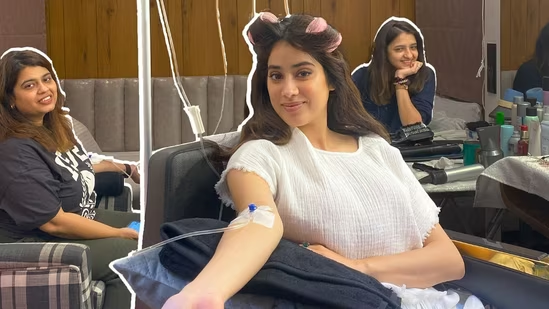
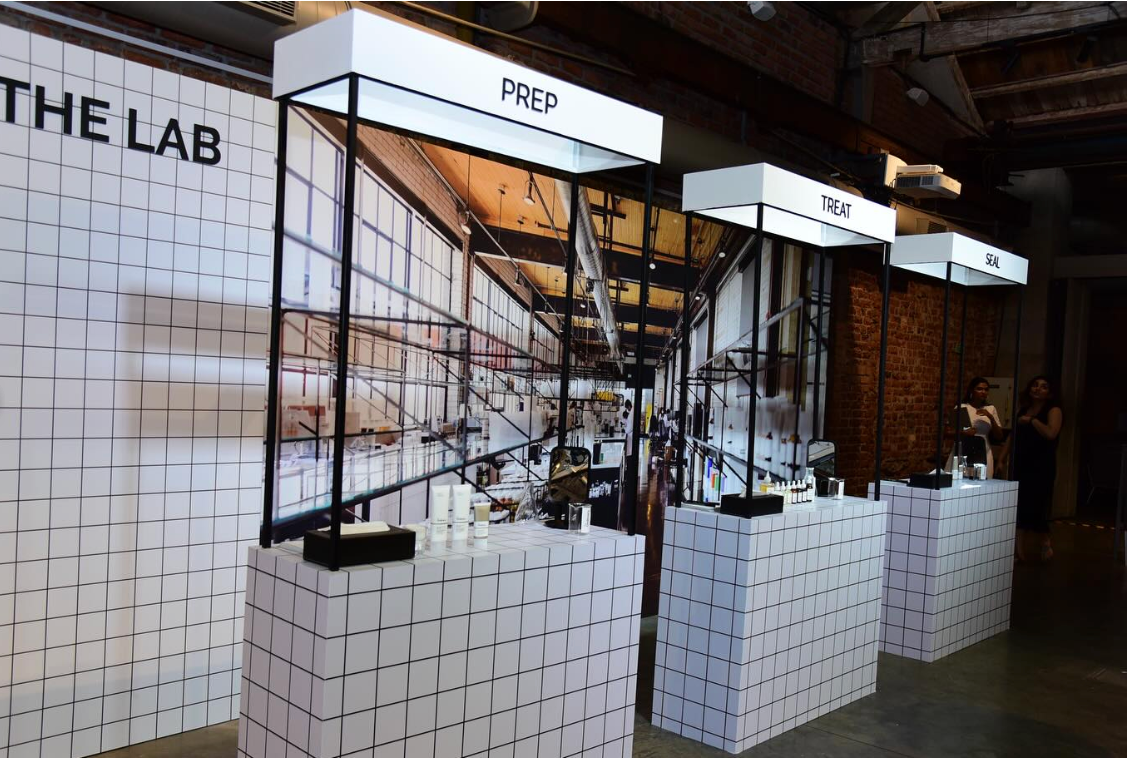
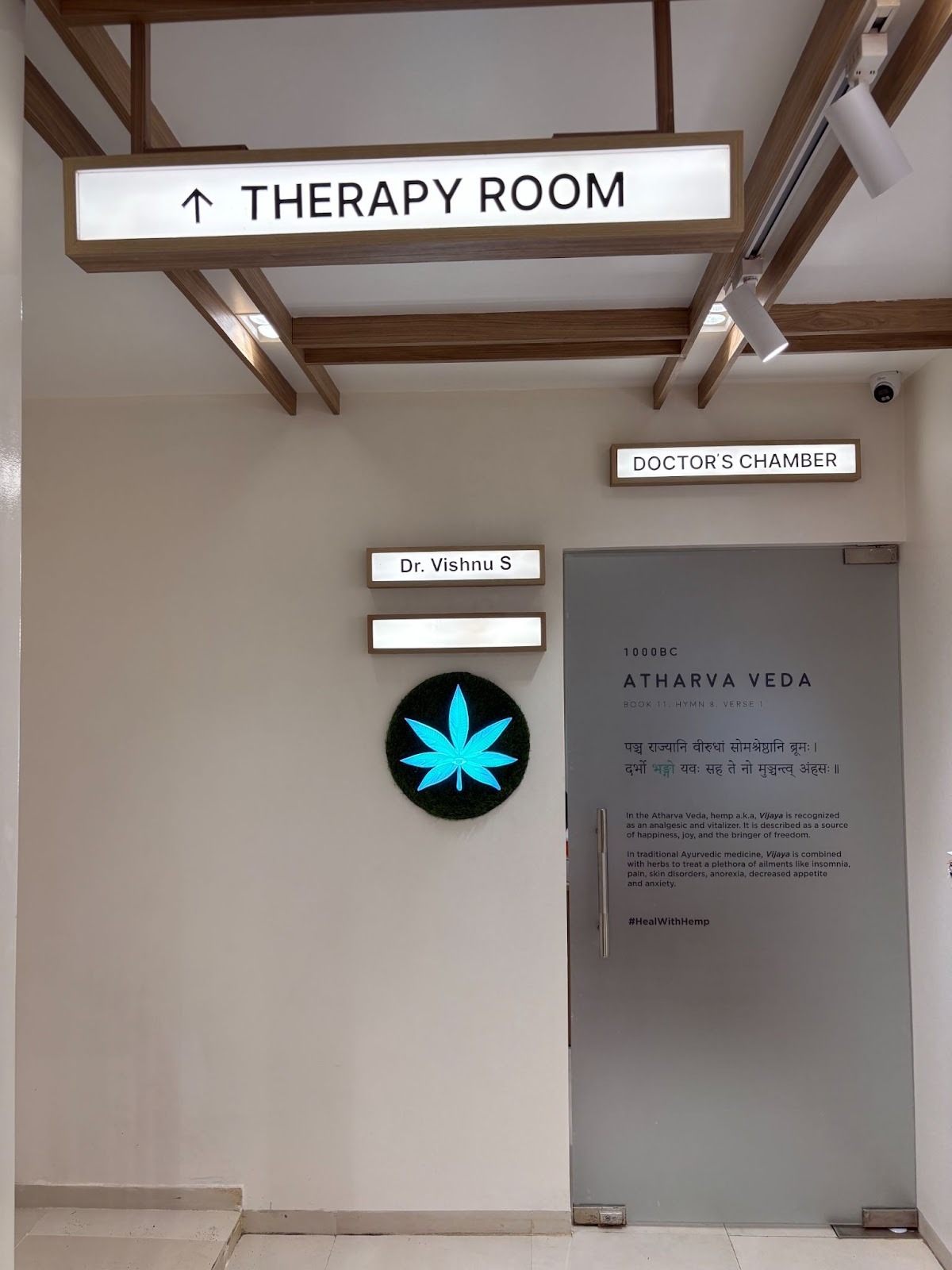
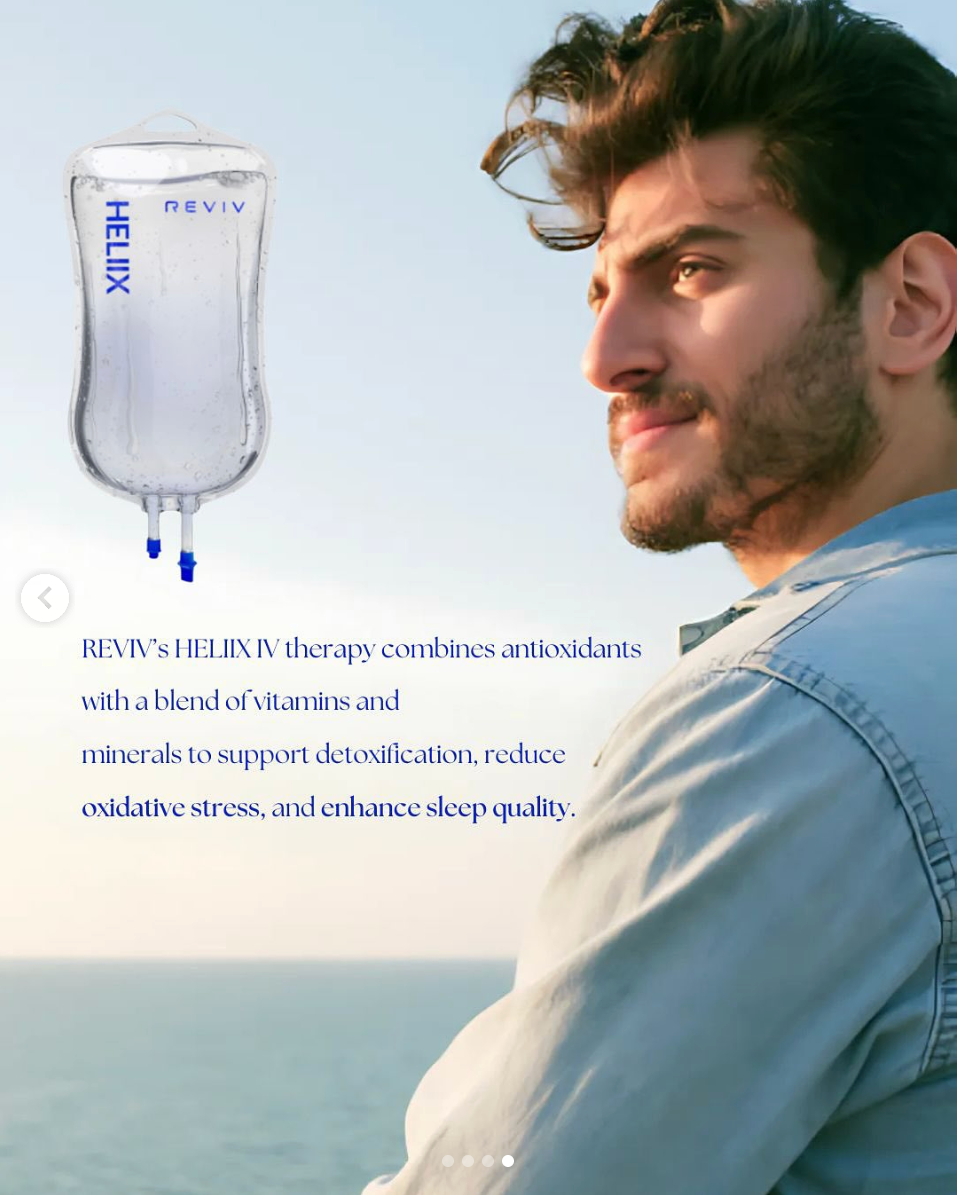
Walk into Knox Reset and the menu reads less like a spa, more like a lab: infrared sauna sessions calibrated to specific temperatures, compression therapy timed to the minute, drip protocols categorized for energy and immunity. Clinics like Aliv Therapy, offering NAD+ infusions and glutathione drips at INR 5,000–15,000 per session, have moved from fringe to routine line items. Zomato's installation of cryotherapy and hyperbaric oxygen chambers at its Gurgaon headquarters, once eccentric, now reads as a talent retention strategy.
Sleep has followed the same arc. India's sleep aid market hit $308 million in 2024, projected to nearly double by 2033. The orthopedic mattress segment, rebranded as 'engineered sleep solutions', is growing at 25.8% CAGR. Brands like Duroflex and The Sleep Company are repositioning themselves as sleep performance brands, investing in R&D and science-first communication. The retreat economy tells the same story: wellness tourism reached $32.8 billion in 2024, with digital-detox experiences forecast to grow at 17.33% CAGR through 2031, outpacing the broader segment.
New vocabulary is the surest sign that new categories have arrived. People no longer 'take a break' or just ‘get a massage’, they 'do a recovery session.' Each linguistic upgrade signals a new self-concept.
What the category needs to become: designing for the optimizer and escapist both
The spend is significant and clear and the aspiration unmistakable. What the market hasn't yet delivered is a philosophy of rest that matches the intelligence, ambition, and cultural specificity that this consumer wants. Right now, recovery in India is a collection of imported formats and standalone products. What it hasn't yet become is a point of view or a way of living.
This is not a consumer who simply wants more products, but one seeking a framework that can hold two sides of the self, the optimiser and the escapist, at the same time. In a distinctly Indian way, they do not see rest and ambition as opposing forces, but as coexisting ones. The opportunity, therefore, is not to choose between performance and indulgence, but to design for both simultaneously.
Jack, back in 1675, probably just went to the pub. We've come a long way since then. Whether we're more rested or less is another question entirely.
Associate Director - Insights and Strategy
.jpg)