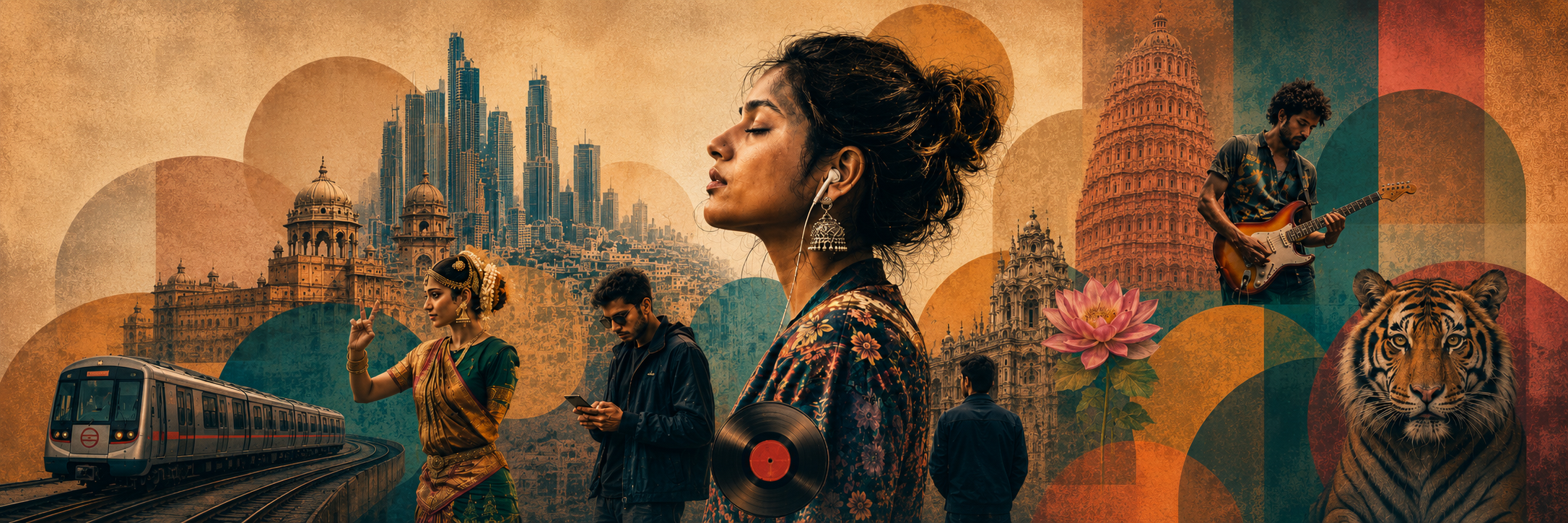


Everything, all at once - Why subculture means something different in India

There’s a growing consensus online: subcultures are dying. What used to be niche like fashion, music or identities are now flattened to all look similar and circulate instantly. Trends move too fast and nothing holds real meaning.
In short: when everything becomes a subculture, nothing really is.
It is a coherent argument. But it is built for a very specific kind of mindset, that caters mainly to the west, one where meaning is produced through exclusivity, and where subcultures define themselves by resisting a mainstream. The whole framework is vertical: a dominant culture on top, subcultures pushing up against it from below. You join a scene against something.
Bring that framework to India, and it makes less sense.
Why the vertical idea does not work here
In recent western subcultures, the logic has held but barely. For eg: Gorpcore was a pushback against status dressing and fast fashion. The soft life aesthetic was a direct retreat from hustle culture, rest as resistance. But most of these got absorbed by the mainstream within 18 to 24 months flattened into trend reports, sold at Zara, hashtagged into irrelevance. The model depends on contrast and scarcity: something matters more when fewer people have access to it. Social media didn't just accelerate that cycle. It broke the cycle.
In India, meaning has never worked that way. Practices don't hold because they are hidden or hard to access. They hold because they are repeated, shared, and woven into daily life. Visibility deepens familiarity rather than diluting it. This isn’t a recent shift, it is a function of living in one of the most culturally dense societies.
The paradox of saturation
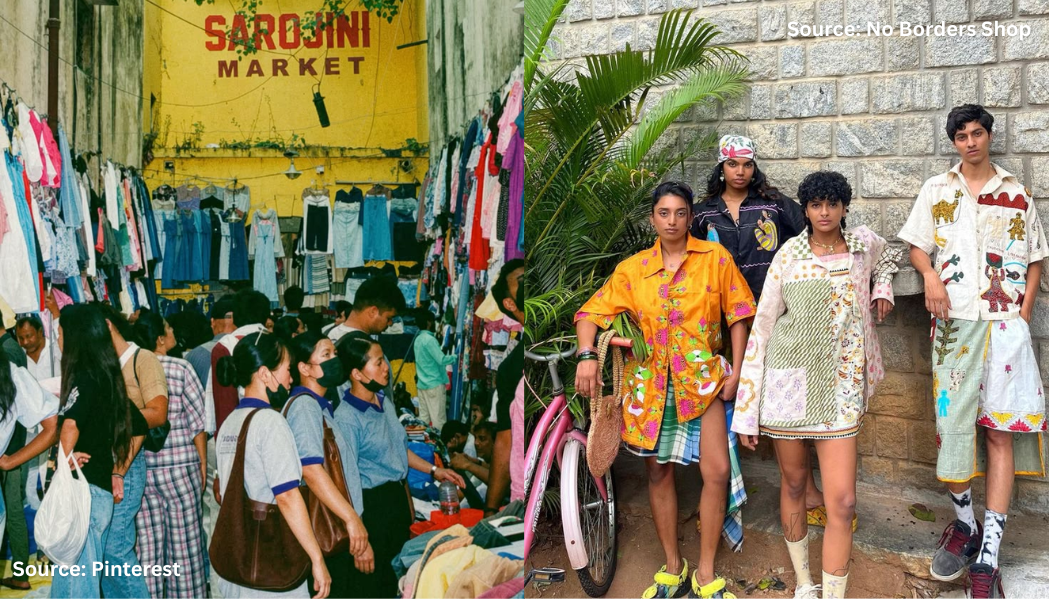
India does not have a subculture problem. It has the opposite: cultural worlds so enormous, and overlapping that the vertical model was not useful here. Culture is not organised into a mainstream with subcultures beneath it. It is hyperlocal, layered, and simultaneous and it does not need protection to retain meaning. This is the paradox of saturation.
You can see this not in abstract terms, but in how people actually live:
- A young professional speaks English at work, shifts to Hindi or Tamil at home, follows Japanese anime fandoms online, and participates fully in regional festivals, not as separate performance of identity but a layered way of living.
- A college student pairing kurti, purchased at a street shop, with Korean pants from a global brand. She isn't making a statement about East-meets-West or tradition-meets-modernity. She just liked both. They're in the same outfit because they were both in her wardrobe.
- Another person sings traditional bhajans at their temple, and also is a part of a rock band on the weekends. These aren’t opposing identities for them, they are just two things the same person does. No explanation is offered. None is expected.
None of these people are navigating subcultures. They are moving through layers that co-exist in their lives.
The clearest way to put this is: Identities here tend to be additive rather than just ‘one or the other’.
There was never a singular, stable mainstream to begin with
In the Western framework, the death of subculture is a crisis because the whole structure depends on exclusivity and a stable mainstream to resist. Remove that, and everything collapses into noise.
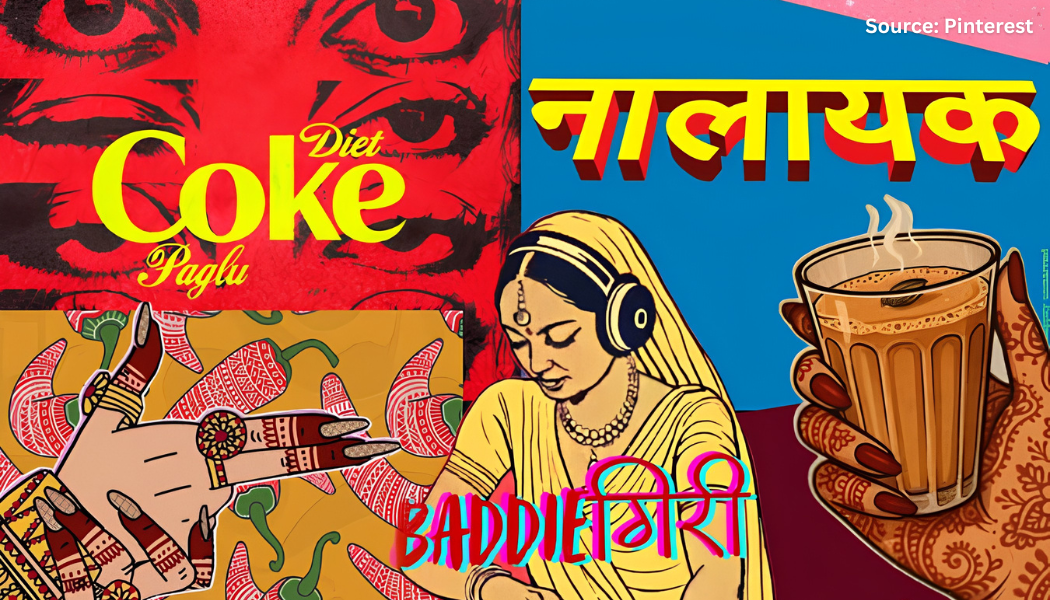
In India, that structure never existed. There was never one stable mainstream, only hundreds of micro-worlds, each densely meaningful within its own context, many of them operating simultaneously in the same city, household and within the same person.
The collapse is not of subcultures but of an idea that is too thin to describe how culture works.
What are the layers you’re carrying within yourself?
At Plum Insights, we help brands think about culture in India and globally. Get in touch.
Senior Strategist
.jpg)